Personal Growth – Why You Need To Accept Responsibility

In order to grow as a person, it is important to take responsibility for one’s own actions. This can be seen in the stories of two people. One took responsibility for her actions and grew as a result, while the other did not and remained stagnant.

The first person, we’ll call her Sarah, made a mistake at work that cost her company money. She owned up to what she did and worked hard to make sure it didn’t happen again. As a result of taking responsibility for her actions, she earned the trust of her boss and was promoted. Sarah is now happier in her job and earns more money because she took responsibility for herself.

The second person, we’ll call him John, also made a mistake at work that cost his company money but he blamed someone else instead of taking any accountability himself even though everyone knew he was responsible.. He continued making mistakes , refusing to learn from them or take any ownership over his wrongdoings . Eventually John was fired . Now unemployed with no references ,John regrets not owning up to his past

Accepting responsibility for your actions can help you to grow personally.

In our society, it is often hard not to point the finger of blame at someone else when things go wrong. Just watch any talk show and you will see people blaming their parents, their friends, their teachers or even complete strangers for everything that has gone wrong in their life.

However, there are benefits to be gained by accepting responsibility for your actions. Not only do you learn from your mistakes but you also learn from your successes. By taking responsibility for both, you will start to showcase traits that are desirable in any person such as honesty and reliability.

You will also become more open-minded and humble as a result of taking personal responsibility seriously.

You need to accept responsibility for your own actions.

You need to accept responsibility for your own actions.

The first step to personal growth is accepting who you are and where you are in life. Acceptance means that you have stopped fighting against yourself, your situation and the world. You have accepted that this is who you are now and that this is your current situation. This doesn’t mean that you can’t change in the future but right now, these are the facts of your life and it makes no sense to carry on fighting against them.

Accepting responsibility for your actions can help you to grow personally. When we accept our mistakes we learn from them and avoid making them again. We also stop blaming others or our circumstances for how things went wrong or complaining about how unfair it all is because we understand that we had a part to play in what happened too. You cannot change the past so instead of concentrating on blaming yourself or others and rehashing everything over and over in your mind, focus on learning from any mistakes you may have made so that next time the outcome will be different. Blaming anyone else will not help to improve your future because it wastes energy which could be put into positive action instead: turning a negative into a positive by focusing on solutions rather than problems!

You cannot change the past.

There are many reasons for accepting responsibility for the past—it’s easier to make sense of life’s events and put them in context. You can learn from the past and improve yourself. There is no point in wishing things were different or starting to live your life as though it weren’t happening.

If you are constantly stuck on the past, you may find that it begins to control your life instead of being a stepping stone towards your future.

The past can be a great teacher if you let it, but if you are always focused on what happened and not why, then it will be more likely that history will repeat itself.

Need to make the most of the present and learn from your mistakes.

Now, you may be thinking, “But I didn’t have any control over what happened!” And yes, sometimes that’s true. But other times it isn’t.

So, don’t allow life to pass you by before you really start to live and overcome your fears. Work on yourself as much as possible in the present so that you can grow into the person that you desire to become.

Why do some refuse responsibility?

Most of us find this shocking. We have a very strong sense of responsibility, and fully expect to be held accountable for our actions.

Our process of self-discovery begins with knowing ourselves. We must ask: What kind of person am I? Do I accept responsibility or blame others when things go wrong?

There are many different personality types, and they respond to problems in different ways.

  • Some people place a high value on perfectionism, and believe they should be able to do everything perfectly! They blame themselves when things go wrong, or when they make an honest mistake. This can be exhausting!
  • Others have a strong sense of entitlement—possibly because they were spoiled as children. They think the world owes them something and that others are responsible for their happiness, so if bad things happen it’s not their fault; it’s the fault of other people and circumstances beyond their control.
  • Some people feel guilty about everything—even events over which they had no control! And as guilt is an uncomfortable emotion, these people often try to avoid accepting responsibility by blaming others for what has happened. Unfortunately, this creates more guilt as now they have lied about who is responsible… leading to a vicious cycle that can continue indefinitely unless we learn how to respond in a different way.

Why it is easy to refuse responsibility

No one wants to be the bad guy. We all want to think the best of ourselves and so naturally, we try to find reasons for why we didn’t do something; or why we did it, but only because someone else made us do it.

We have a tendency to blame other people for our own actions—or lack thereof. We try to justify our behavior by saying that our parents/siblings/colleagues/bosses said or did things that caused us to act in a certain way. And when we fail at something, where most people would say “it was because I didn’t work hard enough” or “it wasn’t my fault because I was not trained properly,” we instead shift blame onto others yet again: my boss didn’t give me any attention; my colleagues sabotaged me; my friend stole the answer sheet and ruined everything.

It may seem like an easy way out of having to deal with the consequences of your actions, but you are only hurting yourself in the long run. You will never learn anything if you continue to refuse responsibility for your own life—and no one is going to care as much as you should either!

Remember: Fault and responsibility are not the same

If you’ve ever been in an abusive relationship, you know that sometimes it’s hard to tell when it’s your fault and when it’s not. The abuser will often blame their actions on you and say that it’s your fault for making them act the way they do.

In reality, there is a big difference between responsibility and fault. Fault is what happened. Responsibility is what you did about it.
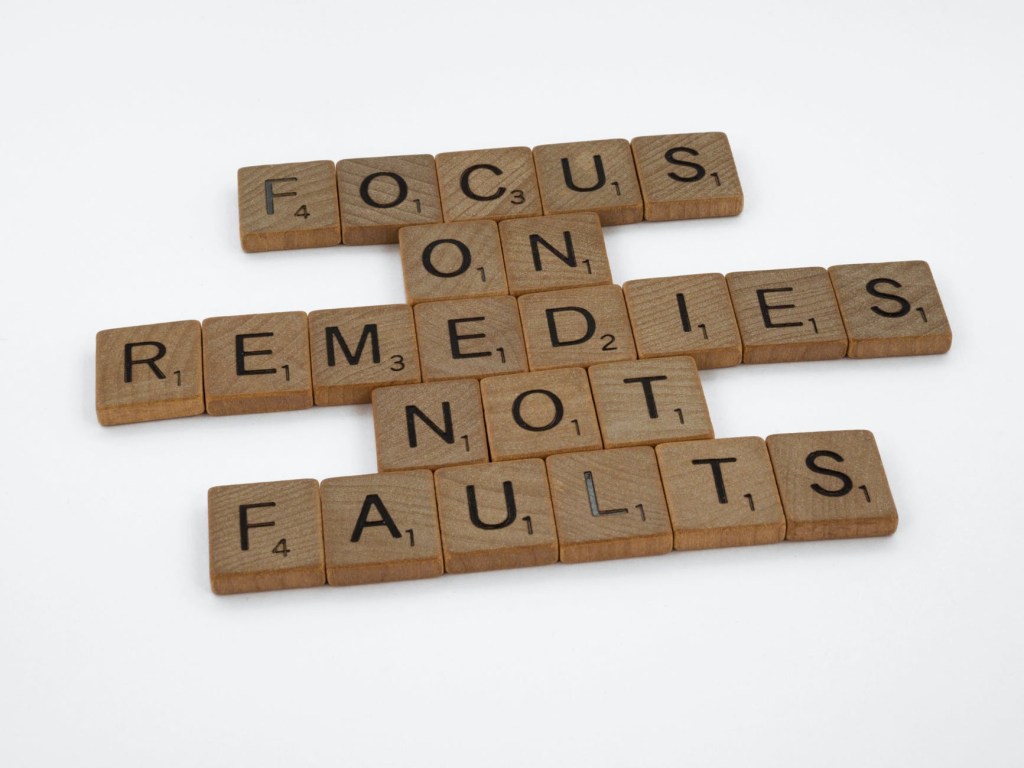
I have a friend who has been struggling with accepting responsibility for her actions lately. She has lost several jobs because she was too quick to blame others for her problems instead of taking responsibility for her own actions. This can be very frustrating, but if we want to make positive changes in our lives, we need to learn how to accept responsibility for our own mistakes and move forward from there instead of dwelling on the past or making excuses for the future.**

However, while we can all be self-deceptive, that doesn’t mean we’re all equally so. Some of us are more prone to it than others. But this is an issue that we can work on and improve if we choose to do so.

So how exactly does this work? How does refusing responsibility (or accepting it) form a habit and then become a character trait? How does our present behavior affect who we think we are and what sort of person we will become in the future?

Well, let’s imagine a scenario in which you have been involved in an accident at work and because of your actions someone has been injured badly. Refusing to accept responsibility for your actions would involve you trying to pass the blame onto someone else or even just finding ways to justify what happened. Once this pattern becomes part of your character, then when something similar happens again, you’ll find yourself again looking for someone else to blame rather than taking any ownership yourself. And by doing this consistently over time, eventually you’ll find that it becomes easier each time as well as being more tempting.

Ten reasons why we need to take responsibility in our life:

  1. Because it’s the only way to move forward
  2. Because it allows us to be in control of our own lives
  3. Because it makes us more resilient
  4. Because it gives us a sense of purpose
  5. Because it makes us more self-sufficient
  6. Because it helps us learn from our mistakes
  7. Because it allows us to become better people
  8. Because it gives us a greater sense of satisfaction
  9. Because it allows us to make a positive impact on the world
  10. Because ultimately, we are the only ones who can change our lives for the better.

The secret to a happy, long, and successful marriage

Marriage is hard work. It is a lifelong commitment that requires patience, understanding, and communication. The big secret to a successful, long, and happy marriage is very clear communication and honesty. Couples need to be able to talk openly about their feelings, needs, and wants. They need to be able to share their secrets, fears, and dreams.

Honesty is the foundation of any strong relationship, and it is especially important in marriage. When couples are honest with each other, they can build trust. Trust is essential for a healthy marriage. Without trust, couples will constantly be questioning each other’s motives and words. This can lead to arguments and resentment. Clear communication also helps couples resolve conflict.

Poor communication in a marriage can lead to disaster because it can prevent spouses from resolving marital issues. Resentment, anger, and frustration can fester when couples do not communicate effectively, which can lead to an emotional or physical separation. Additionally, poor communication can lead to infidelity as one or both spouses may seek outside support if they feel unable or unwilling to communicate with their partner. Ultimately, effective communication is vital to a healthy and successful marriage.

In a healthy marriage, conflict is inevitable. However, how couples handle conflict can make or break their relationship. Healthy conflict resolution is crucial to the long-term success of any marriage. This means there needs to be patience, understanding, and communication.

Conflict based on patience, understanding, and communication provides an opportunity for growth and deeper understanding in a relationship. It can help couples learn about each other’s needs and how to better communicate in the future. cultivating a healthy attitude toward conflict will lead to a stronger, more fulfilling marriage. There are several keys to resolving conflict in a healthy way:

• effective communication,

• compromise,

• and mutual respect.

When couples communicate openly and honestly about their feelings, they are more likely to come to a resolution that satisfies both partners. Respectful listening and a willingness to see things from your partner’s perspective are also essential ingredients for successful conflict resolution.

Take note, compromise doesn’t mean giving up what you want; it means finding a solution that meets the needs of both partners. In any negotiation, it’s important to remember that both sides need to feel like they’ve gained something in order for an agreement to be reached. By approaching conflicts with this mindset, couples can find mutually-acceptable solutions that strengthen their relationship rather than tear it apart.

While some amount of conflict is normal and even healthy in any marriage, frequent or severe arguments can be destructive. If you find yourself constantly fighting with your spouse, it may be time to seek professional help from a therapist or counselor who can help you learn better ways to communicate and resolve disagreements. With the right tools, even the most difficult marriages can learn to thrive amidst the challenges of day-to-day life.

In a marriage there can be unhealthy conflict. When unhealthy conflict is not dealt with in a marriage, it can lead to a number of negative consequences. These consequences can include decreased communication and intimacy, increased stress and tension, and even physical violence. If left unresolved, unhealthy conflict can also lead to divorce. If unhealthy conflict is not dealt with in a healthy way, it can also lead to emotional distance, communication problems, and a breakdown of trust. Ultimately, if the unhealthy conflict is not dealt with effectively, it can destroy a marriage.

Also, When unhealthy conflict is not dealt with, it can lead to serious consequences. One of the consequences of not dealing with unhealthy conflict is that it can lead to resentment. Resentment is when someone feels angry or bitter towards someone else, usually because they feel that they have been wronged. It can also lead to one or both partners feeling resentful towards each other. This can cause a rift in the relationship and make it difficult to communicate and connect with each other.

Another consequence of not dealing with unhealthy conflict is that it can lead to a lack of trust. Trust is an essential part of any relationship, and if it is lacking, it can be very difficult to rebuild. Unhealthy conflict and a lack of honesty can cause a lack of trust because it can make partners feel like they can’t rely on each other. This can make it difficult to open up and be vulnerable with each other, which can further damage the relationship.

When unhealthy conflict is not dealt with, it can also lead to feelings of insecurity. One or both partners may start to feel like they are not good enough or that their partner does not care about them. In turn this can lead to a feeling of being trapped in the relationship and can cause one or both partners to seek out other relationships.

Finally, not dealing with unhealthy conflict can also lead to physical health problems. Stress is a common side effect of conflict, and if it is not managed properly, it can lead to serious health problems such as high blood pressure, heart disease, and ulcers.

If you have noticed you are having unhealthy conflict in your marriage, it is important to deal with it in a healthy way. Ignoring the problem will only make it worse and can lead to serious consequences as outlined. Instead, try to open up and communicate with your partner about what is going on. Seek counseling if necessary. Dealing with unhealthy conflict in a healthy way can help to improve your relationship and avoid the serious consequences that can come from not dealing with it. And when you have honest and open communication, it’s easier to find common ground and work through disagreements – which can save a marriage.

When couples are able to calmly discuss their issues, they are more likely to find a resolution that works for both of them. Couples who bottle up their anger or refuse to talk about their problems will only make matters worse in the long run. If you want your marriage to last, you need to put in the effort to make it work. You need to be honest with each other and open up about your feelings. You need to communicate clearly and work together to resolve any issues that come up along the way. With a little effort, you can ensure that your marriage will be happy and lasting one.

In a successful marriage, honest and open communication is vital. Why? Because it helps to build trust, foster intimacy, and resolve conflict. Trust is essential in any relationship, but it’s especially important in marriage.

When you’re married, you’re sharing your life with someone. You’re sharing your finances, your home, your body, and your heart. You need to be able to trust your spouse with all of those things. Intimacy is also important in marriage. Intimacy goes beyond physical intimacy. It’s about emotional intimacy, too. When you’re able to be honest and open with your spouse, it fosters a deeper emotional connection.

Honest and open communication is essential to a successful marriage. It helps to build trust, foster intimacy, and resolve conflict. So if you want your marriage to thrive, make sure you’re communicating openly and honestly with your spouse. It’s no secret that communication is the key to any successful relationship, and that goes double for marriage. After all, you’re sharing your life with this person, so it’s important that you’re able to communicate openly and honestly with each other.

As already stated, It’s no secret that being honest and open with your spouse is essential to a happy and successful marriage. Unfortunately, far too many couples don’t practice this important aspect of their relationship, and as a result, their marriage suffers. Not being honest and open with your spouse can have a number of negative consequences, both for you and your family.

Once again it really needs to be reiterated, not being honest can lead to feelings of resentment and bitterness. If you’re constantly having to hide your true thoughts and feelings from your spouse, it’s only natural that you’ll start to resent them – and they will know that you are hiding something from them. This resentment can poison your relationship and make it difficult to truly trust and love one another.

Additionally, not being honest and open can also lead to a breakdown in communication. Ask yourself “am I sharing my innermost thoughts and feelings with my spouse?”, if the answer is no you’re likely not communicating as effectively as you could be. This can lead to misunderstandings and conflict, which can further damage your relationship. Perhaps most importantly, though, not being honest and open with your spouse can hurt your children.

If you’re not sharing your true thoughts and feelings with your spouse, your children will likely sense that something is wrong. They may feel that they have to “take sides” in your marriage, or that they’re somehow responsible for the conflict. Additionally, your children may start to feel like they can’t trust either of you if you’re not being honest with each other.

Ultimately, not being honest and open with your spouse is detrimental to both you and your family. If you want your marriage to thrive, you need to be willing to share your deepest thoughts and feelings with your spouse. Only then can you truly build a strong, healthy, and happy relationship.

Conclusion:

In a successful marriage, honest and open communication is key. This means being able to share your deepest thoughts and feelings with your spouse. It’s important to do this because it helps to build trust, foster intimacy, and resolve conflict. Trust is essential in any relationship, but it’s especially important in a family situation. If you want your marriage to be successful, you need to be honest with each other and communicate effectively. You also need to be willing to work through conflict in a healthy way. If you’re not doing these things, your marriage is likely to suffer.

10 ways to beat stress through out the day

The workplace can be draining.


Many people find it hard to focus, and that causes stress. It’s draining to constantly think about what else needs to be done. When we have so much to do in a day, it’s easy to feel like we’re pushing a rock up a hill and not getting anywhere. Here is a list of 10 ways to beat stress throughout the day at work (or even at home).

  • Get enough sleep: Most people need around eight hours of sleep a day. Consider going to bed and waking up at the same time each day to help regulate your body’s natural sleep rhythm.
  • Eat healthy: Eating healthy foods helps your body to better cope with stress. Make sure to include plenty of fruits, vegetables, and whole grains in your diet.
  • Exercise: Exercise is a great way to reduce stress. It helps to release endorphins, which have mood-boosting effects.
  • Take breaks: When you’re feeling overwhelmed, take a few minutes to yourself to relax and rejuvenate. Take a walk, listen to music, or read a book.
  • Connect with loved ones: Spending time with loved ones can help reduce stress levels. Whether you stay in touch via text, social media, or in person, quality time with those you care about is crucial.
  • Avoid caffeine: Caffeine can make anxiety worse and increase restlessness. If you’re struggling with stress, try cutting back on coffee, soda, and energy drinks.
  • Practice deep breathing: Deep breathing is a simple yet effective way to calm the mind and body. Try inhaling for four counts and exhaling for eight counts. Repeat this process several times until you feel more relaxed.
  • Laugh it off: Laughter really is the best medicine! Research shows that laughter can boost your mood, relieve pain, and protect against heart disease. So next time you’re feeling stressed, watch a comedy or spend time with friends who make you laugh.
  • Do something you enjoy: Make time for activities that bring you joy! Doing things you enjoy can help reduce stress and improve your overall well-being. Whether it’s painting, hiking, biking, or dancing, find an activity that makes you happy and stick with it!
  • Seek professional help: If your stress is impacting your day-to-day life or causing you anxiety or depression, reach out to a mental health professional for help

Being Honest With Those Who Hurt You – Why and How

When someone you care about hurts you, it can be challenging to know what to do. You might feel like you need to protect yourself by holding back the truth. But is that really the best way to deal with the situation? It’s natural to want to avoid conflict, but sometimes honesty is the best policy. Suppose you’re honest with someone who has hurt you. In that case, it can help improve your relationship and make communication between you more effective. Of course, there’s a risk that being honest will backfire and make the situation worse. But suppose you think about it carefully and approach the conversation constructively. In that case, it could lead to a better understanding between both of you. Here are some tips for how to be honest with someone who has hurt you: 

Think about your motivation for wanting to talk about what happened. Is it because you want them to understand how their actions made you feel? Or are you hoping for an apology? Having a clear idea of what you want to achieve from the conversation will help make it more productive. 

Try not to dwell on negative emotions like anger and resentment before talking to the person – this will only make things worse. Instead, focus on staying calm and level-headed so that you can communicate effectively. 

Photo by Magda Ehlers on Pexels.com

It might be helpful to write down what happened and how it made you feel beforehand so that your thoughts are clear when speaking with the person concerned. This also allows them time to process everything before responding themselves instead of getting defensive straight away.. explaining why being dishonest rarely leads anywhere good in relationships – mainly when somebody has been hurt by another’s actions or words.

It can be challenging to be honest with those who hurt us

It can be challenging to be honest with those who hurt us, but it is often necessary in order to move on from the hurt. It can be difficult to be honest with those who hurt us. We may feel like we are betraying them by admitting that they have hurt us. But it is often necessary in order to move on from the hurt. Honesty is a crucial part of any healthy relationship, and without it, relationships can become stagnant and resentful. If you’re holding onto resentment or anger towards someone who has hurt you, try to have an honest conversation with them. It may be painful, but it can also be healing and help you move on.

While it can be difficult, to be honest with those who hurt us, it is often necessary in order to move on from the hurt; we need to understand what happened and why it hurts so much. We also need to forgive ourselves for not seeing the signs earlier or for not being able to stop the pain. Oft, the person who caused the pain unknowingly inflicted it because of their own unresolved issues. Suppose we do not address our hurt head-on. In that case, we will continue attracting people and situations that create more heartache instead of healing. Being honest about how someone has wronged us opens up communication, which is vital for rebuilding a broken relationship or letting go entirely if that’s what’s best for us. Nevertheless, honesty should never come at the expense of our well-being. Therefore, always use your discretion when deciding whether or not honesty is worth risking further harm.

You’ve been hurt by someone, it can be challenging to understand why

Photo by Inzmam Khan on Pexels.com

If you’ve been hurt by someone, it can be challenging to understand why they did what they did. However, honesty can help provide some clarity and prevent future hurt from happening. When we’re honest with ourselves about why the other person hurt us, it allows us to see the situation more objectively. We may be able to see that their actions were not personal maliciousness but rather a result of their own pain or insecurity. Or, we might realize that we contributed to the situation in some way and thus can take steps to avoid similar problems in the future. At its core, honesty is about taking responsibility for our own feelings and experiences. When we’re honest with ourselves about what happened, we empower ourselves to heal and move on. And when we’re honest with others about how their actions make us feel, we open up the possibility for communication and resolution.  

We’ve all been hurt at some point in our lives, either by someone we know or by a complete stranger. And while it’s natural to want revenge or to hold onto the anger and hurt, doing so can actually prevent us from moving on and healing. It’s important to remember that the other person is probably just as flawed and human as you are. They may have acted out of their own pain or insecurity without meaning to cause you harm. While it’s so easy to get caught up in our hurt feelings and wonder why the other person could have possibly done something so mean. For example, let’s say you were cheated on by your partner. It would be easy to dwell on how much they must not care about you or how awful they are for doing this to you. But if you’re honest with yourself, you might realize that there were some cracks in your relationship before this happened.

Maybe things weren’t all roses because communication was lacking, or there wasn’t as much intimacy as there used to be. And while cheating is never okay, it’s essential to try and understand where the other person was coming from so that you can avoid getting into a similar situation again in the future. The bottom line is that honesty – both with ourselves and others – is essential for healing past hurts and preventing new ones from occurring.

Honesty can be difficult to maintain,

Honesty can be difficult to maintain, but it is vital to stick to our values. It can be challenging to stick to our values in our fast-paced, constantly-connected world. We are bombarded with messages and temptations that can lead us astray, and it’s easy to fall into the trap of dishonesty. But honesty is important – not just because it’s the right thing to do, but also because it’s a vital part of who we are as people. When we’re honest with ourselves and others, we build trust and respect. We also set an example for others to follow. So, how can we stay honest in a world that often seems dishonest? First, remember why honesty is essential to you. What does it mean to you? Why did you choose this value in the first place? Hold yourself accountable by regularly checking in with yourself about your progress on staying true to your values. If you find yourself slipping up, don’t beat yourself up – simply recommit to being honest moving forward. Finally, tell somebody else about your commitment! Having somebody else hold you accountable will help you stay on track when things get tough. Being honest isn’t always easy, but it’s worth it.

By maintaining our integrity, we build trustworthiness, gain respect, and set an excellent example for those around us. When we are hurt by other people, it can be challenging to stay honest. We might want to lash out and say things we don’t mean. But it’s essential to stick to our values and remain honest. It can be hard to see the good in people when they’ve hurt us, but if we can remember that everyone has flaws. If we can remember that being honest is one of our core values, then hopefully, we’ll make the choice to remain truthful even when it would be easier not to. Honesty is always the best policy – even when it hurts.

Photo by Ketut Subiyanto on Pexels.com

Being honest with those who hurt us can help us forgive them

Being honest with those who hurt us can help us forgive them and develop a more positive relationship with them. It can be challenging to be completely honest about how we feel when we have been hurt, but it is essential to communicate our feelings in order to move forward. Forgiveness does not mean that what happened was okay, but it does mean that we are willing to let go of the anger and resentment that we may feel. By being honest with ourselves and with the person who hurt us, we can begin the process of forgiveness and healing. Forgiveness is vital in maintaining a positive relationship with someone who has hurt us because it can help to repair the trust that was broken when they hurt us. When we forgive someone, it shows them that we are willing to move past what happened and continue our relationship with them. Forgiving someone also takes away the power that person has over us – by forgiving them, we no longer let their actions control how we feel or behave towards them. 

When someone wrongs us, it’s natural to want revenge or to hold a grudge. But studies show that forgiveness can have significant benefits for our health and well-being. Forgiveness has been linked with lower blood pressure, less anxiety and depression, more robust immune systems, longer lifespans, and even better sleep. And while it’s not always easy to let go of a hurt or betrayal, doing so can lead to greater peace of mind and happiness. Forgiveness is not only good for the soul; it’s also good for our physical and mental health. When we forgive someone, we release all the negativity and resentment we’ve held onto. Forgiveness is also linked with greater life satisfaction and happiness overall. So next time you’re feeling angry or resentful towards someone, try forgiving them instead – your mind AND body will thank you for it! 

Remember to show respect

The most important thing to remember when you are being honest with someone, even if they have hurt you, is to show them respect. This means that you should be calm and courteous when speaking to them and avoid any sort of insult or name-calling. It can be challenging to stay respectful when dealing with someone who has hurt you, but it is essential to remember that everyone deserves to be treated with dignity and respect. Showing respect to the person you are being honest with will help create a more positive and productive conversation where both parties can feel heard and respected. Many people believe that being honest means, they can say whatever they want, without any regard for how it might affect the other person. This couldn’t be further from the truth! Being honest does not give you a free pass to be rude and nasty. In fact, being truly honest requires thoughtfulness and consideration for how your words will land with the other person. It’s essential to be clear and concise when communicating and be respectful of another person’s feelings.

To summarise what we have spoken about, It can be challenging to be honest with those who have hurt us, but it is often necessary in order to move on from the hurt. Honesty is a vital part of any healthy relationship, and without it, relationships can become stagnant and resentful. If you’re holding onto resentment or anger towards someone who has hurt you, try to have an honest conversation with them. It may be painful, but it can also be healing and help you move on.

A Guide For Men: How To Make Her Happy

Listen to her

Listening is a skill that can be learned, and it’s one of the best gifts you can give your partner. If you’re new to this, consider the following tips:

Listen without interrupting. Let her finish what she has to say before responding. Don’t try to solve her problems, but just listen with your full attention on her words and feelings.

Listen with sincerity. When a woman shares something personal with you, your response shouldn’t be based on whether or not you agree or disagree—instead just acknowledge what she said and how it makes her feel, and let her know that she was heard.

Pay attention to your body language. Folded arms and crossed legs may signal disinterest even if that’s not how you feel inside—unconsciously sending mixed signals will only confuse things further; make sure your body language matches the openness of your heart!

Listen with your eyes as well as ears—if you’re zoning out during an important conversation, chances are she’ll notice it in the way you’re looking at (or not looking at) her!

Be thoughtful.

Be thoughtful. It’s the little things that count.

Be kind. When you do something nice for her, don’t expect anything in return—just be considerate and do things out of kindness, rather than something you think might get you what you want in the bedroom or otherwise.

Be attentive to her needs. If she has a busy day coming up, try to help out with household chores so that she can focus on work.

Surprise her with an unplanned date night or a romantic picnic on the beach—whenever possible, take advantage of opportunities to surprise and delight your partner with romantic gestures and dates (no matter how spontaneous).

Show affection through touch: hold hands with your partner as often as possible; give her hugs when she needs them most; play footsie under the dinner table at restaurants; kiss when greeting friends for dinner parties or attending events together; give each other massages after long days at work; cuddle up on couch together while watching movies together in bed before bedtime (you’ll both sleep more soundly!).

Be generous

Generosity is a quality that women look for in men. Generosity makes someone feel appreciated and special, so it’s no surprise that women want to be with a generous man. However, generosity doesn’t have to be expensive. A simple gift can go a long way in making her feel special. You can also show your generosity by giving her your undivided attention when she needs someone to talk to or listen to her troubles.

You might also consider being an organ donor or volunteering at a local soup kitchen or homeless shelter, as these acts of kindness toward others can help make you more attractive to potential partners as well as create opportunities for you to meet new people and form connections!

Let her talk, don’t interrupt

Let her talk. This is perhaps the simplest piece of advice that people can give to men who are trying to get better at communication. Women are, generally speaking, very good at talking. They know all the best words and how to use them effectively in a conversation. (The same cannot be said for you, or most other men.) Empathize with what she is saying and understand that she is probably right—even if she’s wrong about some things.

Women like talking, it’s what they do best, so just let them do it. Give her the space to talk; don’t interrupt her mid-way through a sentence because you feel like you have something important to add. You don’t have anything important to add! If you think about it for more than two seconds you’ll realize that what you want to say isn’t really worth saying anyway.

Value your relationship over your career.

Your career is not more important than your partner. This may seem obvious to some, but it’s worth pointing out: work is work and relationships are personal. If you value your career over your relationship, then make sure you tell her before she marries you or has children with you because most women do not feel that way.

In reality, most women still want the relationship to take priority over their careers when it comes to their lives overall. They would rather have a great marriage than a successful job, which means they probably want the same thing for you too.

Don’t ignore her when she’s upset

When a woman is upset, she doesn’t need you to fix the problem. She needs you to listen and be there for her. Make sure she knows that you care about her and value what she’s saying by maintaining eye contact, using your words sparingly, and asking questions about her feelings. You’ll know that she’s made progress toward feeling better when she stops talking or pauses for a long time before responding. If this happens, it means that it’s safe to speak again.

If your partner is seething with anger, responding non-judgmentally will help resolve the issue more quickly than if you try to argue with her or get defensive yourself. Anger often comes from disappointment or frustration with yourself or others, so it may help to think of your partner’s anger as pain manifested in a different form—in other words, don’t take it personally! Once she has calmed down enough to discuss the situation reasonably, share your own perspective on what happened in an even-tempered way using “I” statements (e.g., I felt confused when…).

• Make her feel as if she’s always number one in your life.

• Make her feel as if she’s always number one in your life.

• Make her feel valued.

• Make her feel special.

Be 100 percent committed to the relationship. More than just an “idea,” it has to be a fact and a way of life for you both.

If you want to make your woman happy, do nice things for her, like giving her flowers or making breakfast in bed. But you can also make your girlfriend or wife happy by having conversations that she enjoys, like talking about music and art or sharing secrets so she feels more connected with you. You should also keep up with little things that bother her, like throwing out old papers or putting the food on the right shelves in the fridge. Additionally, try to be thoughtful by remembering details about what’s important to her and then surprising her with those things, whether it’s flowers for no reason or helping with chores without being asked!

Surprises are good!

We all know the drill: birthdays, anniversaries, holidays. And sometimes we’re not super excited about them. We feel like we have to come up with something unique and thoughtful on top of everything else we’ve got going on.

But surprises are good! Surprises show he’s thinking of you beyond the routine. They can be romantic gestures, or something just for fun—either way, they’re a great opportunity to connect. (And if you’re looking for ideas, you’ve definitely come to the right place.)

Of course, the process of coming up with a surprise can feel challenging in itself. But don’t worry! There are plenty of options that are easy enough to pull off but still make a big impact.

The key is creativity and personalization—and maybe a little bit of elbow grease—which means surprises don’t have to be expensive or complicated to be special and meaningful.

Have a positive outlook on life.

Men, have a positive outlook on life. This is a big one. If you’re a glass half-empty kind of guy, it’s time to get rid of that attitude. There are so many benefits to being optimistic, like having better health and success in your career. Another important reason to be more optimistic: women love happy guys! A recent survey found that 77% of women said they wanted to date someone with an “upbeat” approach to life. So don’t be the grumpy guy who always complains about his day at work or things he doesn’t like about the world—be the positive guy that makes her smile every time you see each other.

A great way to practice being more upbeat and optimistic is by practicing gratitude every day for 30 days in a row. It’s really simple: just write down three things you’re grateful for each night before you go to bed and read them out loud as soon as you wake up in the morning. Studies show this can help you reprogram your brain if done consistently for long enough and make it easier for you find the good in every situation!

Try these things to make the most important woman in your life feel valued and appreciated!

• Be generous.

• Surprises are good.

• Be thoughtful.

• Value your relationship over your career.

• Don’t ignore her when she’s upset.

• Make her feel as if she’s always number one in your life.

• Have a positive outlook on life. This is the most important rule of all! If you are happy, she will be, too!

What Every Man Should Know Before Having Sex For The First Time (Or Really, Anytime) – By A Man for Men

Having sex for the first time can be a daunting experience, but it can also be incredibly exciting and memorable. When it comes to sex, preparation is key – especially for men who are embarking on this adventure for the first time. Here are a few things that can help make the experience more enjoyable for both you and your partner:

The importance of consent: Why you should always get clear and enthusiastic permission before engaging in sexual activity

But first, the importance of consent cannot be understated. Consensual sex is when both parties involved are freely and enthusiastically willing to engage in sexual activity. This means that all individuals involved have given their clear and enthusiastic permission, without coercion or pressure from the other party or outside sources. Anything less than this is not consensual sex; it’s rape, plain and simple. There are several reasons why obtaining consent before engaging in sexual activity is so important.

First and foremost, it’s the right thing to do; everyone should be able to make their own decisions about their bodies and what they do with them.

Secondly, even if someone doesn’t explicitly say “no,” that doesn’t mean they want to have sex; they may be too afraid or uncomfortable to speak up, which is not a sign of enthusiasm or excitement. Just forget about it! No means no.

Finally, having consensual sex makes for much better sex! When both parties are genuinely into it and there isn’t any fear or coercion involved, everybody has a much better time – plus there’s no risk of legal troubles down the road.

Bottom line: always get clear and conscious consent before engaging in sexual activity with someone else. It’s the respectful thing to do, it protects you from potential

How to make it enjoyable

Here are a few things that can help make the experience more enjoyable for both you and your partner:

1) Talk about it beforehand: Discussing sexual activity with your partner beforehand can help set expectations and ensure that both of you are comfortable with what’s going to happen. This communication will also help reduce any anxiety or nervousness either of you may be feeling.

2) Relax and take your time: There’s no need to rush into things. Foreplay can be just as important (if not more so) than the actual act of sex itself. Spend some time exploring each other’s bodies and getting aroused before moving on to penetration. This will help make the experience more pleasurable for both of you.

3) Use protection: Be sure to use condoms – not only will this protect you from STDs, but it can also help prevent premature ejaculation (which could cause awkwardness or even pain). If possible, try different types/brands until you find one that works well for you. And don’t forget the lube! Adding a little extra moisture will make

What it feels like

How does sex feel for a man? It’s an indescribable feeling, but it’s definitely one of the best feelings in the world. When you’re having sex with someone you’re attracted to, your body releases all sorts of chemicals that make you feel happy and alive. It’s a physical release that feels amazing, but it’s also an emotional release. You feel closer to your partner and more connected than ever before.

We’ve all been there – you’re in the moment, getting lost in what’s happening and things start to get a little too rough. Maybe your partner is being too forceful or maybe you just got caught up in the heat of the moment. Either way, it’s important to remember that not everyone enjoys sex that is overly aggressive. In fact, many people prefer gentle sex as it can be more intimate and sensual.

If you’re unsure whether your partner likes it rough or gentle, it’s always best to err on the side of caution and go for something softer. You can always ramp up the intensity if they seem to be enjoying themselves but it’s much harder to tone things down once things have gotten too heated.

Nobody wants to be injured during sex so take care of each other and yourselves by being gentle when needed. Remember that the penis is not a muscle. It is made up of mostly soft tissue and blood vessels. This means that if you are too rough with it, you can actually cause serious damage. In addition, the vagina is a sensitive area and can be easily injured if you are not careful. Another reason why being gentle during sex is important is because it helps to create intimacy between partners

Of course, this isn’t to say that all men are brutish oafs who don’t know howto treat their partners properly. But if you find yourself getting carried away next time you’re in bed together, simply slow down and enjoy the more tender moments – trust us, your partner will thank you for it!

So boys the three mains:

Photo by W R on Pexels.com

1. Always get clear and enthusiastic consent before engaging in sexual activity with someone else; it’s the right thing to do and it makes for better sex.

2. Talk about what you’re both comfortable with beforehand, take things slow, and use protection to make the experience more enjoyable for everyone involved.

3. If you’re unsure whether your partner likes it rough or gentle, start soft and then work your way up if needed – but be careful not to get too carried away!

5 Romantic Dinner Ideas

1. Make dinner together

There’s nothing more romantic than cooking a meal together and then sitting down to enjoy it. This is a great way to bond with your partner and learn more about their culinary preferences.

Photo by cottonbro on Pexels.com

2. Have a picnic in the park

Picnics are a classic date for a reason. They’re perfect for spending time outdoors while still being intimate. Plus, you can put your own spin on the classic picnic by packing unique food items or adding some fun activities.

3. Go out for breakfast -yes its not dinner but still….

Breakfast is the most important meal of the day, so why not make it a date? Going out for breakfast gives you a chance to relax and enjoy each other’s company without the pressure of dinner conversation.

4. Get dessert after dinner

If you’re looking for a way to extend your date night, why not get dessert afterwards? This is a great way to try something new together and get a little extra time to talk and connect.

5. Visit a local winery or brewery

If you and your partner enjoy trying new wines or beers, visiting a local winery or brewery can be a fun and informative date. You’ll get to taste some new drinks and learn about the brewing or fermenting process.

Your Self-Worth Is Not Connected To How Others View You Or What They Think Of You

Your value is not determined by how others view you or what they think of you.

Your self-worth is not determined by how others view you or what they think of you. There are many ways to be valued and validated in this world. You can value yourself and validate yourself, and sometimes that kind of validation is even more important than what other people think of you, because their opinions may change but your value doesn’t. And while you may not have much control over what other people think, you do have a choice in how you respond to them.

You do not have to be perfect to be worthy of love and respect.

You do not have to be perfect to be worthy of love and respect. You don’t have to strive for perfection, nor should you expect it from others. Perfection is not achievable in any human being; no one can meet all your expectations or fulfill all your needs. Not even you!

Your self-worth is not connected to how others view you or what they think of you. Your self-worth comes from inside yourself—you are worthy of love and respect because you exist, because you have value as a human being independent of your achievements, appearance, and behavior, because this is the essence of who you are.

Photo by Allison Shannon on Pexels.com

You are worthy of love and respect, mistakes and all.

Thinking you are unworthy because you made a mistake is akin to thinking you are not smart because you got one question wrong on a test. And remember, even if you did get one question wrong, it doesn’t mean your intelligence level as a whole has suddenly changed. You can still be just as smart as before. Just like with self-worth, your intelligence could also change over time—for better or worse—depending on whether or not you learn from the experience and decide to do something about it next time.

The same principle applies for love and respect. Many people think that to be worthy of love and respect, they need someone else to view them or think of them in a certain way—for example, seeing them as perfect or infallible. But this is simply not true. Love and respect do not depend on perfection; they depend on honesty and forgiveness—of yourself as well as others

You are worthy of having your needs met.

As you become more aware of your worth, you’ll also begin to better understand what your needs are, which will help you communicate them. Start by making a list of the things that make life good for you. They can be as simple as needing to sleep in on the weekends or not having people interrupt your train of thought when you’re concentrating. Then, consider how well those needs are being met in your current relationships and how often they’ve been met over the course of your life.

Finally, ask yourself if meeting these needs means having to do something differently than what feels natural or comfortable for you. For example, maybe sitting at home alone binging TV shows feels relaxing and safe but going out with friends and attending parties feels risky and hard because there’s always a chance someone might say something hurtful about you. Or perhaps chasing after love interests is natural for you because it seems like it will help fill an inner void but doing so inevitably costs more time and energy than it’s worth.

Once you have identified some unmet needs that are highly important to fulfilling your sense of self-worth, think about whether or not they’re feasible to meet now—how willing are others around you to meet these needs? And if they’re not willing (or don’t know how), how open would they be to learning more about why those things matter so much? When I was able to have empathy for myself during my struggles with self-worth issues I was then able to share my needs with others in a way that helped them better understand me while also showing respect for their boundaries. You can do this too!

Photo by Andrea Piacquadio on Pexels.com

You may be changed, but you will survive.

You may be changed by what happens to you, but that doesn’t mean you will be lost. You will go through phases where you might feel like the world has been turned upside down—and it’s very likely that it has. But the things you have experienced are an unavoidable part of your journey. They are a necessary part of being a well-rounded person who is able to experience and empathize with others’ pain, as well as their joys.

You will learn from what’s happened to you, and grow from your experiences. The bad stuff won’t define you; rather, it will make you stronger, more resilient, and more curious about how other people navigate their own lives. After all this, any hardship that comes your way in the future isn’t going to feel as insurmountable as what’s just happened—and if someone else is going through something similar, having lived through a similar experience will give them hope and make them feel less alone.

Your worth does not depend on outside events or other people’s opinions.

Your self-worth is not connected to how others view you or what they think of you. If someone judges you, that is their problem, and in fact their issue has nothing to do with you at all. You do not have to carry people’s thoughts or opinions about you unless you choose to. You are the only one who determines your value and worth. You are not defined by other people or by the circumstances of your life; rather, other people and circumstances reflect what’s deep within you.

Regardless of what may be happening in your life, it is essential that you take responsibility for yourself and your happiness as opposed to expecting someone else (or several someones) to provide for it for you.

Why you shouldn’t worry about horrible people in the workplace – they aren’t worth the space in your brain

Professional relationships are important.

It can be tempting to get caught up in a bad situation and become focused on its unpleasantness, but it’s more important to look at the big picture. This person isn’t worth focusing on because your professional relationships matter long-term, while they don’t.

It’s easy to see how an excellent professional reputation can open doors you may never have seen otherwise. A great network means that you are constantly making connections with new people and growing in your industry. You can learn new things, get advice or contacts for your next job opportunity, or even ask someone who might help connect you with someone else! Your network is continually expanding; there’s no limit to how far it could go if appropriately handled.

An excellent professional reputation also makes life feel much easier because when you have one thing going right for yourself professionally (or personally), everything else seems better than before too!

Photo by CoWomen on Pexels.com

Not all professional relationships will be easy.

One of the hardest things about being a professional is that you’re likely to have some easier relationships than others. This isn’t necessarily a bad thing—in fact, it’s essential to recognise that different types of relationships (romantic, platonic, etc.) can look and feel different from one another. But sometimes, we’re forced into close quarters with people who do nothing but stress us out and make life generally unpleasant. Not all professional relationships will be easy.

There may be people you work with who don’t like you for whatever reason, and there may be people you don’t like either. It’s important to remember: in most cases, we can’t control other people no matter how hard we try or how much we wish we could. We can only control ourselves (easier said than done). Sometimes things happen at work beyond your control or understanding, making interacting with certain colleagues difficult.

Eventually, you’ll work with people who don’t get along with others.

You will run into a difficult person at work at some point in your professional life. Sometimes these people are just having a bad day or going through an unusually stressful time. Sometimes they are angry, frustrated, and living with an overall sense of dissatisfaction that affects their whole lives. These people may feel the need to take out their distress on you for any number of reasons—may be because you remind them of someone who hurt them, or maybe because you are younger than them and it makes them feel old. They may not mean to be rude or hurtful—sometimes, they don’t even realise they’re doing it!

When faced with someone who is causing problems in the workplace, it’s essential that you try not to let it affect both your productivity and happiness.

The most important thing to know about dealing with somebody like this is that there’s nothing you can do to make them respect you or like you. You’ll drive yourself crazy if you try! Even worse, the more time and energy you spend trying to win over these individuals, the more time and energy will be taken away from tasks that actually matter.

It’s not your job to fix them.

You’re at work. You don’t want to be there, you do your best to focus on the task at hand, but you can’t get away from that one person who’s making your job—and maybe even your life—miserable.

It can be challenging to deal with if they are toxic and mean, always late, or just not pulling their weight on projects. However, this is when you need to remind yourself of an important fact: it’s not your job to fix them. Not only will trying to change them not work (people can only change themselves), but you could also find yourself worn down by their negativity and soon also behaving in a way that isn’t true to who you are as a person.

When faced with someone who is causing problems in the workplace, it’s essential that you try not to let it affect both your productivity and happiness. This means avoiding getting drawn into office gossip about them (which will accomplish nothing) and not trying to take control of the situation in order “fix” them or improve things for other people around them (unless there is an HR issue).

To avoid the trap of worriying about the horrible peerson in the workplace, focus on your goals, not theirs.

You shouldn’t have to work in a situation that makes you unhappy.

You deserve to work in a place that makes you happy. While the world is not ideal, it’s essential to be aware that you have options and shouldn’t feel like you’re stuck in a bad situation. Some people may pressure you to try to fix things, but if the situation isn’t improving or is making your life too stressful, then it’s okay to leave. It’s not worth spending so much of your life being unhappy just so someone else can save face.

What matters is that your happiness comes first before anything else — no amount of money or prestige can replace feeling like your life has meaning and impact.

Don’t waste time worrying about difficult people you can’t control.

To avoid this trap, focus on your goals, not theirs. You don’t know what motivates negative people; if you did, they wouldn’t be negatively impacting your life. They could be dealing with their own mental health battles or have a romantic partner who’s emotionally abusive.

Photo by fauxels on Pexels.com

They could also be the biggest narcissist you ever met in your life and make it a point to control everyone around them. Whatever the case, it’s difficult to predict what might’ve made someone like this that way—and at the end of the day, it doesn’t matter why they act out.

You can only control yourself: keep yourself focused on your goals and try to do something each day to move closer to them. Keep yourself motivated by checking off little tasks or celebrating significant accomplishments throughout the day! Don’t let one bad apple spoil all of your hard work!

Your value in the workplace is not connected to those who don’t like you.

You are not responsible for making others happy. You don’t need to change yourself to make others happy. Remember! You can’t control bad people; you can’t change them. But you can control your response toward them and how much space they occupy in your brain. This is what makes all the difference when it comes to how much a problematic person impacts your life both at work and away from it.

7 ways to show you love your special person

What are some ways to show your love for your special person? Most people will say with gestures and words, such as, “I love you” or taking them out on a romantic date. But does that really work? I don’t think so: everybody says I love you, but is it true? Everybody takes their loved ones on expensive dates, but is that really proof of love?

There are all kinds of ways to show you love someone, but there are 7 specific things you can do to show them you love them. They aren’t always easy and you may even feel embarrassed. But the result will be worth it.

1. Plan a special date night.

Have you ever had a hard time showing your partner that they’re loved? Maybe it’s because you feel like you don’t have enough money, or maybe it’s because your busy schedules don’t leave time for romantic dates. Whatever the reason is, there are plenty of ways to show your love to the special person in your life, no matter what life throws at you!

  • Make sure to plan ahead; avoid last-minute surprises.
  • Find a babysitter if needed so that both parties are able to relax and enjoy themselves more.
  • Don’t do the same thing every time. Surprise them by planning something different!
  • If you’re on a budget, stay in and cook together! A home-cooked meal can be very intimate and really help bring two people closer together. If you want to save money but still go out, try cooking a big meal at home once and then taking leftovers for lunches throughout the following week after work or school.
  • If you’re planning something more extravagant than usual, make sure that your partner is available on that night so as not to come off as inconsiderate. Remember that they may have plans of their own, so this will help ensure they are able to attend wherever (if anywhere) they need to be instead of being forced into an awkward situation due to conflicting schedules with other friends or family members.
Photo by Jonathan Borba on Pexels.com

2. Show affection every day.

To our dearest readers:

In a world that tells us love is all around, but it’s hard to find, we must sow the seeds of affection as often as possible. To you, this could mean buying your sweetheart a cookie from their favourite bakery every day after work. The important thing is to make sure that two of the most important people in your life know how much they mean to you, and daily acts of kindness are the best way to do this.

  • They’ll appreciate the gesture. At first, it may seem like your significant other will take these kind gestures for granted—after all, who doesn’t like cookies? But when you show them your affection every day, it helps them form a habit of cherishing small things done for them by you or anyone else—which is what makes these little gestures so special in the first place!
  • It’s never too early (or too late) to start showing love. As long as we’re still breathing on this Earth, there’s always time to be with our loved ones and let them know how important they are to us. Whether they live next door or thousands of miles away on another continent, there are countless ways that even something as simple as sending them a daily text message can go a long way toward making their day better than yesterday’s. Whether you’re celebrating an anniversary or just hanging out together at home one night, no matter the occasion there should be no more than 24 hours between how many times you tell someone how much they mean to you and how many times that person tells you how much he/she appreciates being with you

3. Set aside some time just to talk.

Setting aside some time just to talk with your special person is an excellent way to show that you care. These conversations can serve as a great way to open up and get new ideas on how each other feels.

What’s the best method for having these talks though? It’s important to keep distractions to a minimum, but what are distractions? Too much television/computer/phone. Make sure they’re off so that you’re both able to concentrate on one another and the topics at hand.

Let the conversation flow naturally, don’t force it. This is when asking questions comes into play. Both of you have had different experiences from each other, which means that there’s plenty of knowledge and stories out there for the learning! Ask about their opinions on certain subjects and about the things going on in their day-to-day lives, whether it be work or school or a trip they took last week.

Talk about yourself too! We all need support from our significant others every once in awhile, especially when we’re going through tough times at work or with friends or family members in our lives. Let your special person know how you feel by opening up and talking with them

Photo by Marcus Aurelius on Pexels.com

4. Surprise them with a gift!

Sure, you love your special friend. But do they know? Are they aware of how happy they make you and how much you appreciate their presence in your life? If it’s been a while since you’ve gone out of your way to show this person just how special they are to you, there’s no better time than the present. Here are some ideas for making it known that you care.

Although these tips are geared towards romantic partners, the same general principles apply for showing appreciation to anyone who means a lot to you: family members, friends, teachers and mentors—basically anyone who deserves a thoughtful gift from the heart.

  • Think about what they’d like:

Before gifting anything at all, take note of what this person enjoys doing on their own time. Do they have an active lifestyle? Maybe get them something to help with their favorite hobby (e.g., golf club accessories). Are they more into relaxation and taking things easy? Find something that will make it easier for them (e.g., a spa gift card or massage oil).

  • Personalize the gift:

Is there a message or meaning behind the item? Get creative! Buy them something with sentimental value that can be cherished as an heirloom (e.g., antique jewelry box), or maybe put together an activity kit including things that represent important aspects of your relationship together (e.g., tickets from that special date, etc.) If physical space isn’t an issue, consider setting up a small display for them in your home highlighting those key moments in time (photos work well here!). Also consider framing old photos so there’s even more of a tangible reminder available when needed.

  • Make sure it is something you can afford:

Spending too much money on one gift can ruin the experience if it puts you in financial overdrive afterwards—as can giving something too cheaply made or otherwise shoddy feeling! When thinking about price point, try to think about

5. Small gestures make a big difference.

Trying to decide what to get for your significant other for their birthday, anniversary, or another special occasion? Don’t sweat it-instead of desperately scrounging through pages and pages of options on Amazon and spending an hour wondering if the seller mixed up your order with another customer’s, just ask yourself what feels best. Chances are you already know how to show someone you care about them. Most likely you do so in small ways because they mean a lot-your partner probably loves that little detail you give when you leave a note inside their lunch bag or the way you both laugh at the same moments when watching a movie together. It’s all these small gestures that really add up over time and make a relationship feel unique.

If your love language is gifts , then by all means go get something they’ll like! If it’s physical touch , why not cuddle up next to them while watching TV? If quality time is more your thing, plan out fun dates where the two of you can spend plenty of uninterrupted time together that doesn’t involve smartphones or laptops (this is getting easier as our society gets more disconnected from reality due to technology). The most important part is to be genuine about whatever gesture you choose and make sure it feels authentic . Try to avoid having ulterior motives behind doing anything for your partner-if it feels forced then it won’t feel as good in either person’s heart or mind.

6. Do something you know your partner would like.

When it comes to saying “I love you,” actions speak louder than words. And when it comes to actions, there’s nothing more effective than doing something for your partner that you know he or she will enjoy.

What does this mean exactly? Well, it depends on your relationship. For example, if you’re dating someone who would love a date to the roller derby with a beer and nachos afterward, that’s an excellent way of showing him or her that you care. If you’re married and going through some tough times together, the perfect gesture would be something like taking your spouse on a day trip somewhere fun and relaxing just the two of you. No matter what kind of relationship you have, though—whether it’s brand-new or decades old—the point is to do something thoughtful that really shows how much they matter to you. The perfect gesture can vary from person to person (and over time), but these seven ideas are good places to start!

Photo by cottonbro on Pexels.com

7. Cook together!

A lot of people love going to cooking classes, and we’re no exception. When we became an official couple, we took a month-long culinary trip to Italy together. Although we’d both been around the kitchen before, it was still a new experience for us both—and it was a great way to bond as a couple. In fact, it’s one of our favorite memories together. When preparing for the class (or just in general), it’s always nice to try something new and fun with your partner. Cooking is so much more than just putting some ingredients into a pot and forgetting about it for two hours like you did when you were an awkward teenager stuck in your parents’ basement trying not to burn the marshmallows on top of the chocolate chip cookies you started baking because your mom asked what you wanted to do with your spare time on Christmas vacation from elementary school. There are so many different ways that cooking can be done, whether it’s all-out gourmet meals or simple snacks like toast topped with butter and jelly. One thing’s for sure though: there will always be an ingredient or two that you don’t know how to pronounce!

When you show your love, it makes both of you feel good.

It may sound cliché, but the expression that love makes the world go ’round is actually true. When you show your special person that you love her—and when she does something for you—both of you feel good.

What does it feel like to be on the receiving end of a kind gesture? Well, let’s see…

It feels great! It makes you feel like someone cares about and values you. You feel loved and respected. You look forward to what’s coming next: will there be another surprise in store? Will the other person keep making an effort to show their love in this way, or is this just a one-time thing?

When you’re on the giving end of a thoughtful gesture, it also feels pretty great! Your partner feels valued, cared for, and looked after. This feeling inspires reciprocation and helps strengthen your bond with them. Let’s hear more from two people who live this kind of relationship every day.


Design a site like this with WordPress.com
Get started