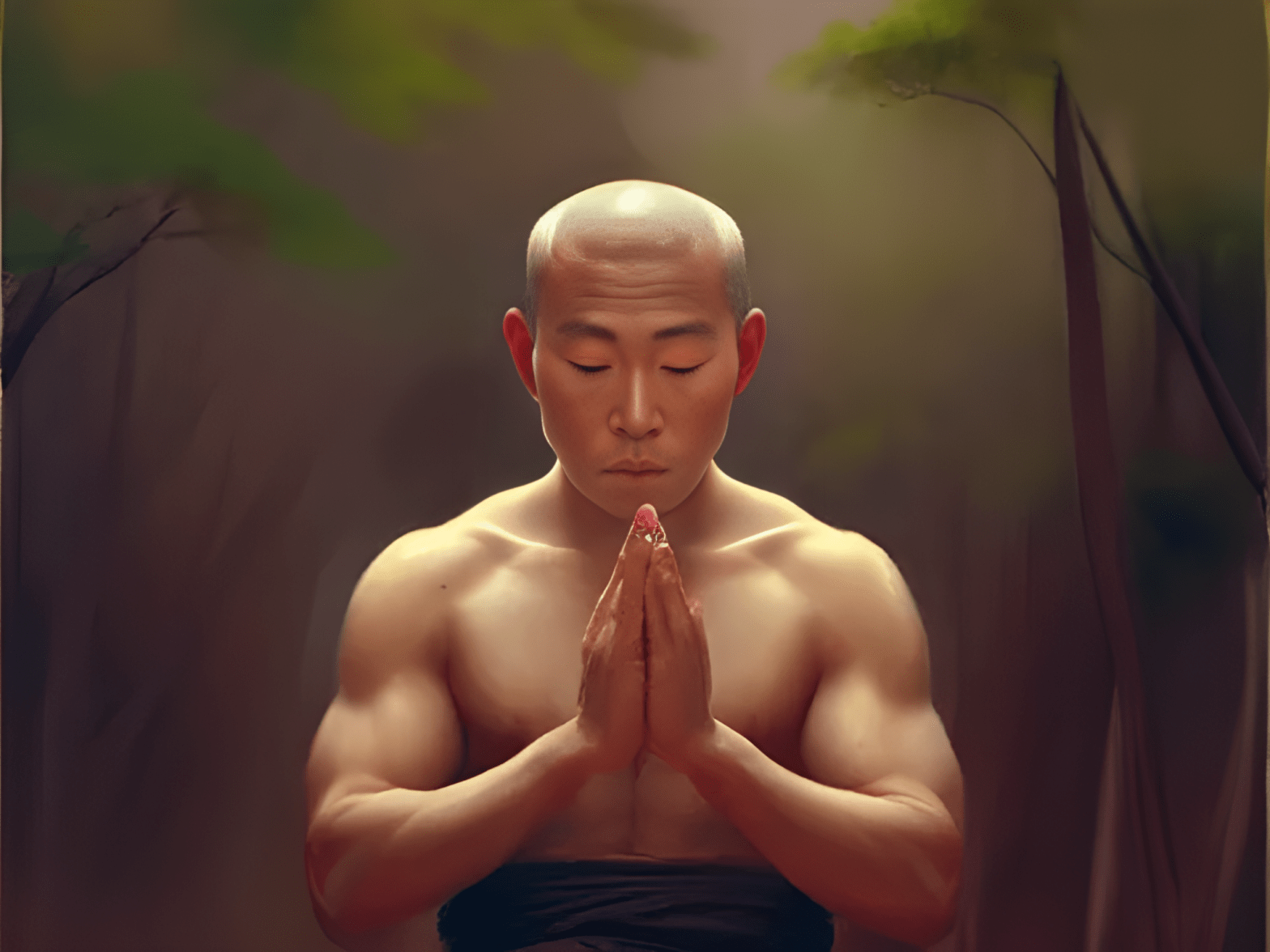
The world is full of ups and downs, and life can be unpredictable. Sometimes, things happen that seem like misfortunes or disasters, but they can turn out to be blessings in disguise. The Chinese parable of “塞翁失馬,焉知非福” (The Old Man Who Lost His Horse; How Could We Know It’s Not Good Fortune?) teaches us to find the silver lining in every cloud and to embrace the cyclical nature of life.
The story goes like this:
An old man who lived on the border between China and the steppes lost his prized horse, which ran off into the territory of the nomads. The people in his village came to offer their condolences, but the old man was unperturbed. “How do you know it’s not a blessing in disguise?” he said.
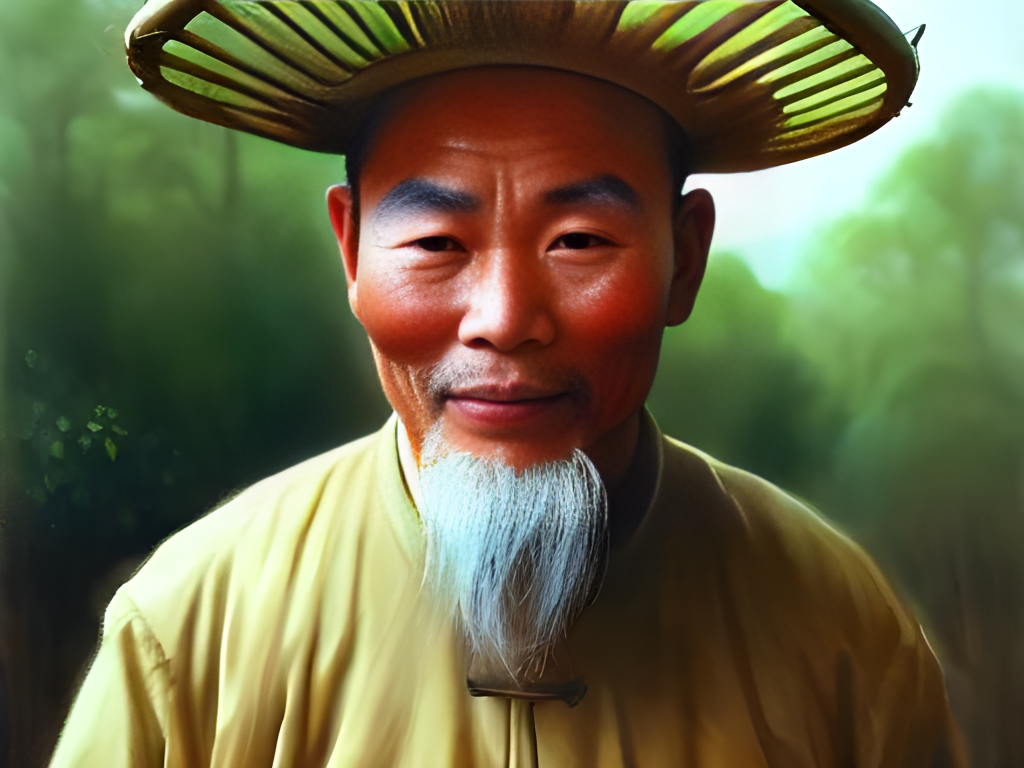
A few weeks later, the horse returned, bringing with it a fine steed from the nomads. The villagers came to congratulate the old man on his good fortune, but again he remained calm. “How do you know it’s not a misfortune in disguise?” he said.
The old man’s son loved to ride horses, and one day he fell off and broke his leg. The villagers came to offer their condolences, but the old man remained philosophical. “How do you know it’s not a blessing in disguise?” he said.
The following year, war broke out between the Chinese and the nomads, and many young men were conscripted to fight. The old man’s son was spared because of his broken leg, and the villagers came to congratulate the old man on his good fortune. But again, he remained calm. “How do you know it’s not a misfortune in disguise?” he said.
The parable of the old man and his horse is a classic example of Daoist philosophy. The Daoists believed that everything in the universe is interconnected and that there is a natural flow to things that we should try to align ourselves with. Instead of fighting against the ebb and flow of life, we should learn to adapt to it and find the good in every situation.
One of the key teachings of Daoism is wu-wei, which means “non-doing” or “effortless action.” It’s about finding a state of flow in which we can act without trying too hard or forcing things to happen. The old man in the parable embodies the spirit of wu-wei, as he remains calm and detached in the face of both good and bad fortune.
So, how can we apply the lessons of the old man and his horse to our own lives? Here are a few tips:
- Stay open to new experiences: The old man was able to see the potential for both good and bad in every situation because he remained open to the possibilities. By staying open to new experiences and keeping an open mind, we can learn to see the good in every situation, even when things don’t go as planned.
- Embrace impermanence: The old man understood that everything in life is impermanent and that nothing lasts forever. By embracing the cyclical nature of life and accepting that both good and bad times will come and go, we can learn to live more fully in the present moment and appreciate the little things in life.
- Practice detachment: The old man remained calm and detached in the face of both good and bad fortune. By practicing detachment, we can learn to let go of our expectations and desires and simply allow life to unfold as it will.
- Look for the silver lining: The old man was able to see the potential for both good and bad in every situation. By looking for the silver lining in every situation, we can learn to find the good in even the most difficult of circumstances. By focusing on the positive and reframing our experiences, we can cultivate a more optimistic and resilient mindset.
- Trust the natural flow of things: The old man understood that everything in the universe is interconnected and that there is a natural flow to things that we should try to align ourselves with. By trusting the natural flow of things, we can learn to let go of our need for control and embrace the uncertainty of life.
- Practice mindfulness: The old man was fully present in the moment, able to appreciate the beauty of the world around him and the people in his life. By practicing mindfulness, we can learn to slow down and appreciate the small things in life, which can bring us greater happiness and fulfillment.
The parable of the old man and his horse reminds us that life is full of surprises and that sometimes, things that seem like misfortunes can turn out to be blessings in disguise. By staying open, embracing impermanence, practicing detachment, looking for the silver lining, trusting the natural flow of things, and practicing mindfulness, we can learn to find the good in every situation and live a more fulfilling and joyful life.
In conclusion, the Daoist philosophy of wu-wei teaches us to find the blessings in disguise and to embrace the cyclical nature of life. The parable of the old man and his horse is a classic example of this philosophy, reminding us to stay open, embrace impermanence, practice detachment, look for the silver lining, trust the natural flow of things, and practice mindfulness. By applying these lessons to our own lives, we can learn to find joy and fulfillment in every moment and live a more meaningful life.

 Lifereference