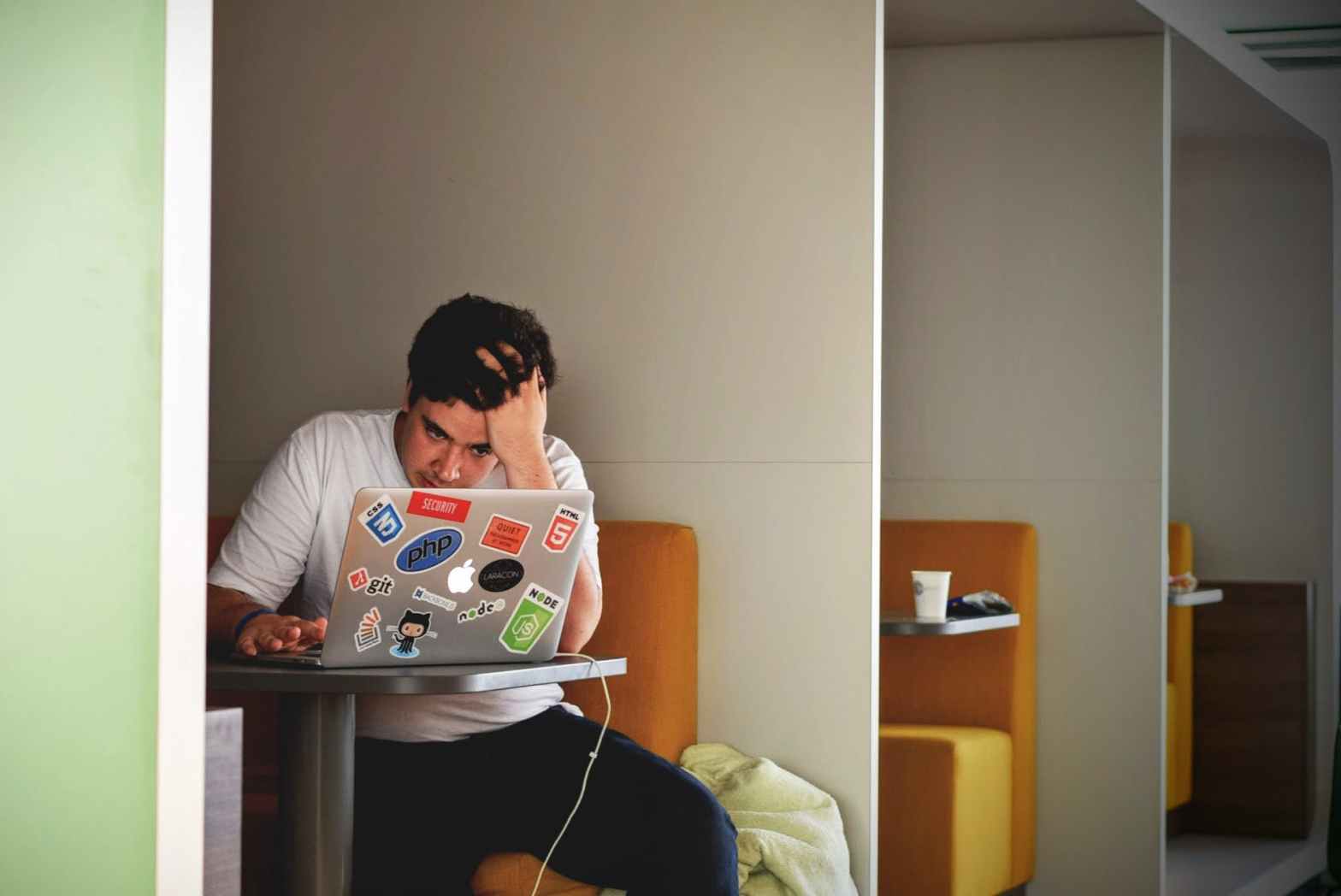
Are you stressed out? You’re not alone. Between work, commuting, family responsibilities and other obligations, it’s no wonder that we find ourselves overwhelmed and feeling more stressed than ever. If this sounds like you, then look no further! We’ve compiled a list of simple tips to help reduce stress instantly. Try these suggestions the next time you feel stress starting to take over. These tips will help you feel refreshed and ready to tackle any challenges that may come your way.
Focus on one thing at a time, be in the moment, and don’t worry!
- Focus on one thing at a time. Focusing on one thing at a time can reduce stress and help you feel calmer. This can be hard when we’re trying to do multiple things at the same time. Think about how you feel when you’re trying to do too many things at once.
- Be fully in the moment. The present moment is full of joy and opportunities for growth and love if you allow it to be so. Focus your attention on what’s good in your life right now and make a point to appreciate it. If you’re having trouble finding something to appreciate, then try appreciating things you don’t expect to appreciate, like spiders or cockroaches or people who cut you off in traffic or politicians or whatever else comes to mind.
- Don’t worry about the past or future. Don’t worry about the future. It will be here soon enough, and everything you need to know you’ll learn along the way. Focus on today. Don’t worry about the past. You can’t change it, and it’s too late to do anything about it now. Now that you’ve stopped worrying about the future and the past, you have more time to enjoy the present.

Practice deep breathing.
There are many methods available to you that can help relieve stress and anxiety. One of the most effective, yet simple, is deep breathing. When practiced consistently, this method can help reduce your overall level of stress and anxiety.
The first step is to find a comfortable position where you won’t be disturbed for at least five minutes (you might want to use one of the meditation techniques listed in a previous section). Once you’ve found a quiet place and settled into it, begin by taking slow breaths through your nose for about ten seconds each time. Then hold your breath for about five seconds before exhaling slowly through your mouth for another ten seconds or so. Repeat this process three times before taking a break from doing anything else but sitting quietly for another minute or two (or until you feel ready). This one-two-three sequence will take roughly four minutes total per session; however, if this seems like too long at first then just start with one or two repetitions instead until it becomes easier to sustain longer periods without becoming distracted or bored with what you’re doing.”
Get regular exercise.
Exercise is one of the best ways to relieve stress. It also helps you sleep better, manage your weight, boost your mood, and keep your heart healthy. Aside from all that, it’s a great way to meet people!
Exercise is such an effective stress reliever because it releases endorphins that make you feel good about yourself—and there’s nothing like the feeling of accomplishment after completing a tough workout! If you’re worried about looking silly or getting sweaty in front of others, don’t be; everyone has their own idea of what makes them look good! Once you get comfortable with exercising regularly (which doesn’t take long), having other people around will make it more fun too.

Spend more time outdoors.
Spending more time outdoors can be one of the easiest stress reducers. It has been proven that spending time in nature reduces stress, improves your mood, and can help you focus better.
Try going for a walk at lunchtime or on your lunch break. If you live in an urban area, try to find a park nearby or visit one of your local community gardens or public spaces to get outside for some fresh air and sunshine!
If you are feeling adventurous, consider spending some time hiking with friends or family members; even if it’s just an hour hike every week—the more often you do this activity, the more benefits you will receive from it!
Stop multitasking so much.
Multitasking may seem like a great way to get more done in a shorter amount of time, but it actually has the opposite effect. When you split your focus between two tasks, you get less done overall than if you just focused on one task at a time. In addition to being less efficient and productive, multitasking can also be more stressful because it leaves us feeling rushed and overwhelmed.
Multitasking is okay when there are no consequences for failure (for example: playing games while watching TV) but when it comes to work-related tasks where there are deadlines and real consequences for failure (such as writing reports or answering emails), we should focus on one task at a time instead of trying to juggle multiple things at once.
When I find myself trying to do too many things at once, I turn off my phone so that I’m not tempted by incoming calls or texts from friends or family members who want me for something else besides my current project (or vice versa). This helps me avoid getting distracted so that I can focus on what’s important—getting things done!
Eat healthy foods.
Eat healthy foods.
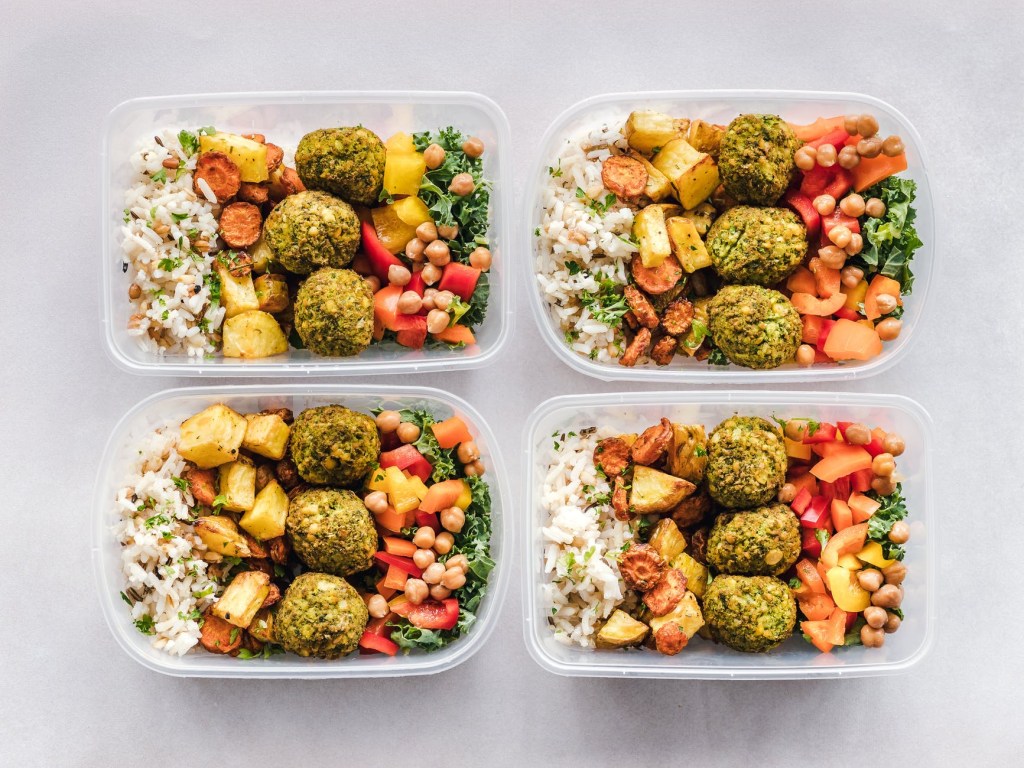
- Eating healthy is an obvious way to reduce stress and improve your physical health. When you eat well, you feel better physically, which also gives you more energy to deal with everyday challenges.
- Eat lots of fruits and vegetables: A diet rich in fresh fruits and vegetables can help to manage blood pressure and cholesterol levels. It will improve your heart health by lowering blood pressure, reducing inflammation, lowering bad cholesterol (LDL), increasing good cholesterol (HDL) – all important factors in preventing heart disease. Eating plenty of fiber-rich whole grains may help prevent obesity by helping control weight gain; red wine may also be beneficial for this purpose as well as reducing the risk for diabetes mellitus type 2 (DM2).
Maybe try to meditate for at least 5 minutes every day.
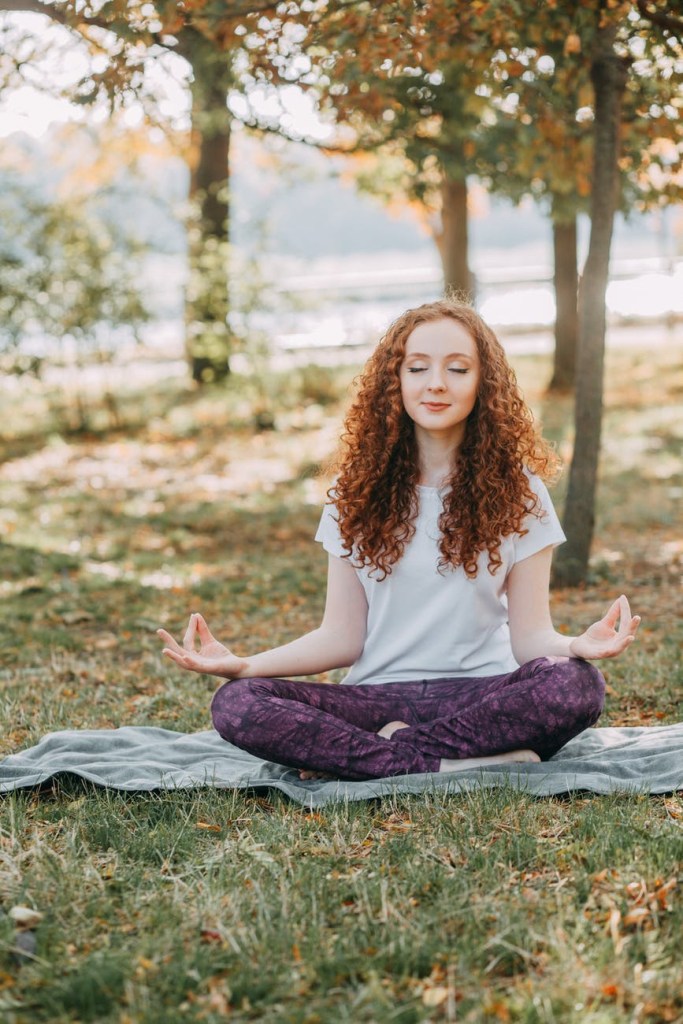
You can meditate anywhere, anytime. You don’t need to find a quiet place or purchase specialized equipment. All you need is your breath and body, and maybe some guided meditation apps or downloads (like this one) if you would like the added benefit of having someone else’s voice encourage you along the way.
When starting out with meditation, it’s important to set aside 5 minutes every day at roughly the same time so that it becomes a routine—this way, when your mind wanders away from your breath during practice (and it will), it won’t be difficult to get back into the flow and stay focused on what matters: being present in each moment as if for the first time!
Avoid procrastination.
Avoid procrastination.
It’s a fact that procrastination causes stress. When you leave important tasks to the last minute, you often feel pressured and frantic to finish them before the deadline. This leads to a feeling of loss of control over your own life, which can be stressful in itself.
To avoid this type of late-night panic, use the two-minute rule: if you can do something in less than two minutes, just do it now! This will help keep you from getting overwhelmed by all the things that need doing and allow you to take small steps forward instead of giving into anxiety that builds up over time if nothing gets done at all.
If a task requires more time than two minutes (or less depending on your circumstances), break it down into smaller tasks so it doesn’t seem quite so overwhelming when looking at it on paper or mentally breaking down what needs done over hours or days until finally reaching completion time frame after time frame until eventually everything is finished!
If possible, use software tools such as pomodoro timers like Tomato Timer—a free Chrome extension—to manage your time wisely by setting deadlines for yourself while offering visual cues when breaks are due during long stretches working towards completing goals without becoming fatigued from constant focus without breaks between sessions because who wants burnout? Not me!
Try to get a good night sleep and get in the habit of going to bed early enough each night to allow you adequate sleep time.
- Sleep is important. It’s true that we don’t always get enough of it, but when we do get enough sleep, our brains and bodies are happy. It’s also true that when we don’t get enough sleep, our brains and bodies are not as happy. So how much sleep should you be getting? There isn’t a one-size-fits-all answer here; everyone’s individual needs vary depending on their age and energy levels throughout the day (and night). The best way to figure out what works best for you is to try different amounts of time in bed until you feel rested upon waking up each morning—then stick with that amount of time each evening!
- To help yourself relax before bedtime:
- Avoid caffeine after 2pm (or earlier if possible) because it can interfere with your ability to fall asleep at night
- Make sure your room is dark so that your eyes have an easier time adjusting after being exposed to bright lights or screens all day long

De-clutter your life as much as possible, it helps with managing stress as well as helping you feel like you have better control over your life and surroundings.
De-cluttering your life is the best way to reduce stress. You need to focus on what you have, not what you don’t have or can’t have. If you have too much stuff, it will be overwhelming and make you feel bad about yourself and your situation. This can lead to depression which only adds more stress to your life.
The best way to start de-cluttering is by getting rid of things that aren’t working properly anymore (for example, broken appliances), things that are no longer needed (like old paperwork), things out of date (like clothes from last year), or even objects with negative energy attached like a piece of jewelry given as a gift by someone who hurt or betrayed us in some way.
You can learn how to manage stress in a healthier way.
You can learn how to manage stress in a healthier way. It’s important to set aside time for yourself, so don’t be afraid of creating boundaries and putting your needs first. If you don’t make time for yourself, then it will be harder for you to stay on top of tasks that require focus and energy.
When you feel stressed out, take deep breaths from the diaphragm area (not just from the chest) as often as possible. When you breathe deeply, your body releases more oxygen into cells which stimulates mental clarity and reduces anxiety levels by calming down the amygdala – a part of our brain associated with fear responses such as anger or stress responses (it has also been linked with depression).
By now you should feel pretty good about how to deal with stress in your life.
If you want some quick tips for reducing stress, follow these five steps:
- Learn what your triggers are and how to avoid them.
- Identify which coping skills and relaxation techniques work best for you: deep breaths, meditation, or something else? Use them!
- Exercise regularly to keep yourself distracted from worries or anxious thoughts that might be causing stressors in your life right now (like taking care of kids).
- Also, don’t forget to get enough sleep every night so that you can wake up feeling refreshed each morning without feeling tired all day long. This will help reduce the likelihood of developing depression over time because it reduces cortisol levels which lead to increased anxiety/stress as well as physical symptoms related such as headaches, colds/flu etc…’
- Spend time doing things that make you happy like listening to music or watching a movie–it’s important not just for your mental health but also because it will help reduce some longer-term effects related things like chronic pain (e.g., lower back pain).
- Practice mindfulness techniques when needed like yoga poses or meditating about where we are at any given moment; this will help us stay focused on what matters most instead of dwelling too much on past mistakes or future plans.”
- Remember: If it feels overwhelming, talk with someone who can listen objectively about what’s going on for advice before making any major decisions — whether it be family members friends coworkers etc” There’s nothing wrong with seeking out support during difficult times if needed!” – It may seem counterintuitive but sometimes talking through our problems can really relieve pressure too–not only does this give us perspective while helping us see whatever issue isn’t so big after

 Lifereference