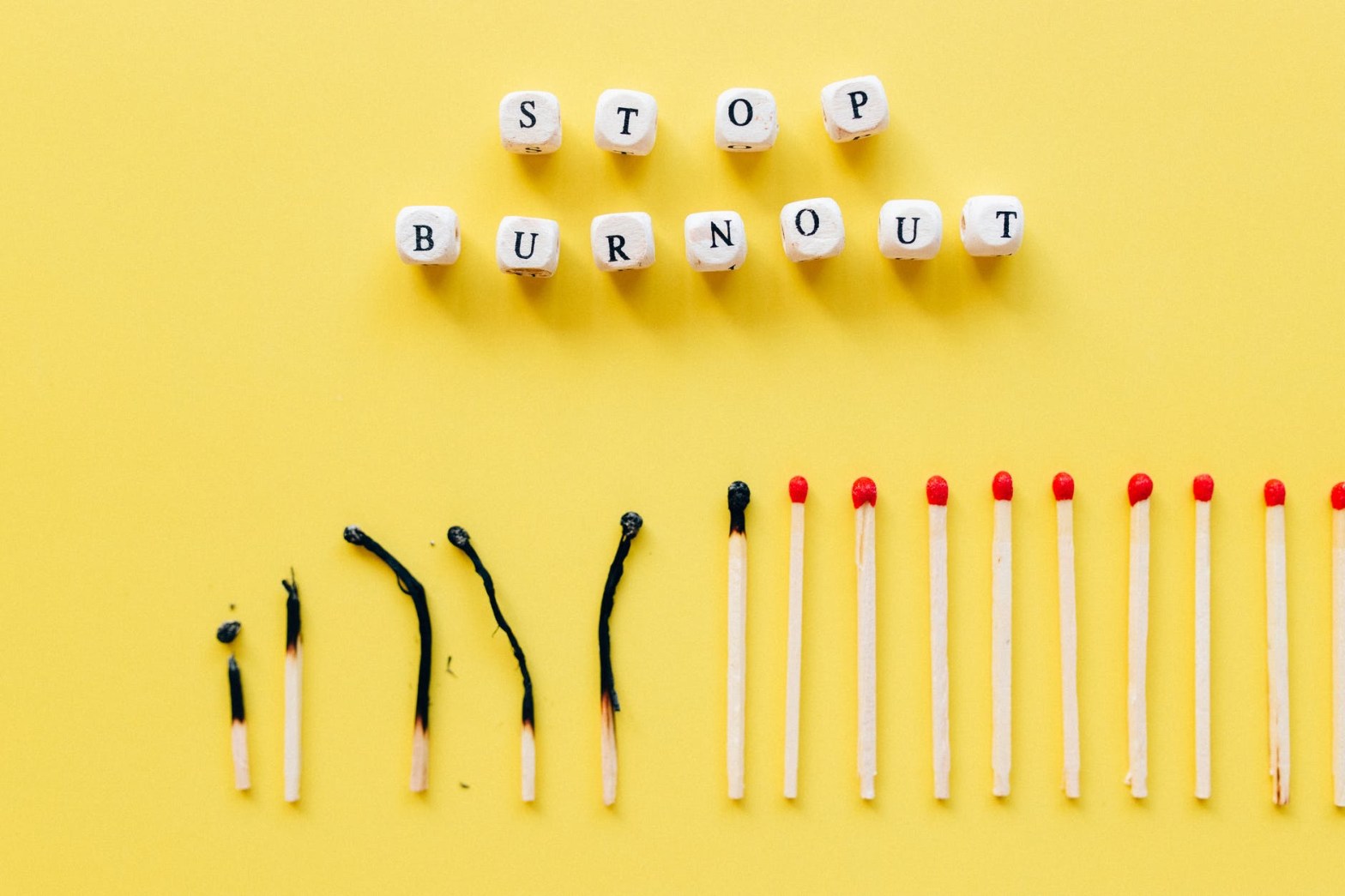
Burnout is a state of physical, mental, and emotional exhaustion that can be caused by prolonged or excessive stress. It is important to be able to recognize the signs of burnout in yourself and others so that you can take steps to prevent it. Burnout is a serious problem that can have a negative impact on your health and well-being. However, by taking some time for yourself, talking to someone about your stress, and making some changes at work, you can start to recover from burnout and feel better. So, what can you do?

Recognize The Signs
Burnout doesn’t happen overnight. It’s a gradual decline that happens over time. The first step is to recognize the symptoms, so you can take action before it gets too bad. Here are some examples of burnout symptoms:
- You feel tired and exhausted all the time
- You’re falling behind on work or other commitments
- You can’t seem to motivate yourself
- Your relationships are suffering
Get Some Rest
You may think that getting rest is something you should be able to do without instructions, but if you’ve been working hard and have been stressed out, it’s possible that your body has forgotten how. You might not realize how much sleep you need until it’s too late—and then you’ll feel terrible.
Getting enough sleep is crucial for our mental health, but we don’t always get the amount we need because of our busy lives or other factors. If this is true for you, make an effort to get good sleep each night. You can use apps like Sleep Cycle or Google Assistant to help remind yourself when it’s time to go bed; these apps will track how long your brain needs before going into deep REM sleep so as not to disrupt your slumber cycle unnecessarily (you’ll thank them in the morning).

Cut Back On Your Activities
- Reduce your workload.
- Cut back on activities that are causing the burnout.
- Create space in your life for rest and recovery.
You need to recharge, not just recover. This means taking a break from what is causing the burnout and doing something else entirely. It could be anything—watching a movie, reading an engrossing book, or taking a nap.
Next, ask yourself: How do I prioritize? If you’re not sure, this is a good place to start thinking about what is most important and urgent in your life. First, identify all of the items on your list that are most important and most urgent. Next, rank those items by how much time they’ll take up during any given day or week. Then use that ranking system to help with prioritizing what’s more important and what’s less so. Here are some things you could cut out of your life to create space for recovery:
- Social media
- Eating too much junk food
- Drinking alcohol
- Watching TV with no purpose.
Re-Assess Your Situation
Put your own priorities first. The rest will follow. If you’re uncertain about your values, ask yourself, What defines what’s important in life for me? What do I value most? How do I want to be remembered? If you’re having trouble coming up with answers, that’s okay! No one can define these things easily or perfectly. It takes time to figure it out.
- First, ask yourself: is this important to me?
- If you’re not sure, try asking yourself some questions:
- What is important to me?
- How do I define what’s important? What do I value most in life?
- If the answer doesn’t come immediately and easily, that’s okay! It takes time to figure out what matters most. But if you’re struggling with it, don’t be afraid to talk with a friend or family member who knows you well. They might have a perspective that helps illuminate where your true priorities lie.
Find Ways To Recharge
- Find ways to recharge.
- Try to find meaning in your work.
- Control your environment as much as possible.
- Re-imagine your role and the value of what you do for a living, even if it seems like an impossible task at first.
If none of these things help, look for new opportunities where you can put your talents to use and feel supported by coworkers and management alike—this might mean changing jobs or career paths entirely, but sometimes it’s necessary if you’re burned out on old tasks that aren’t fulfilling anymore.
Self care before caring for others
You may be one of the lucky few who was born with an innate sense of self-care, or you might never have even heard the term before. Either way, if you’re feeling burnt out, it’s time to get on board with this important concept. The first thing that comes to mind when I hear “self-care” is eating healthy foods and getting enough sleep—but there are so many other ways we can care for ourselves: getting a massage or going for a walk in nature; taking some time out to play video games or watch TV; writing in a journal; meditating; going on vacation by yourself (and not feeling guilty about it).
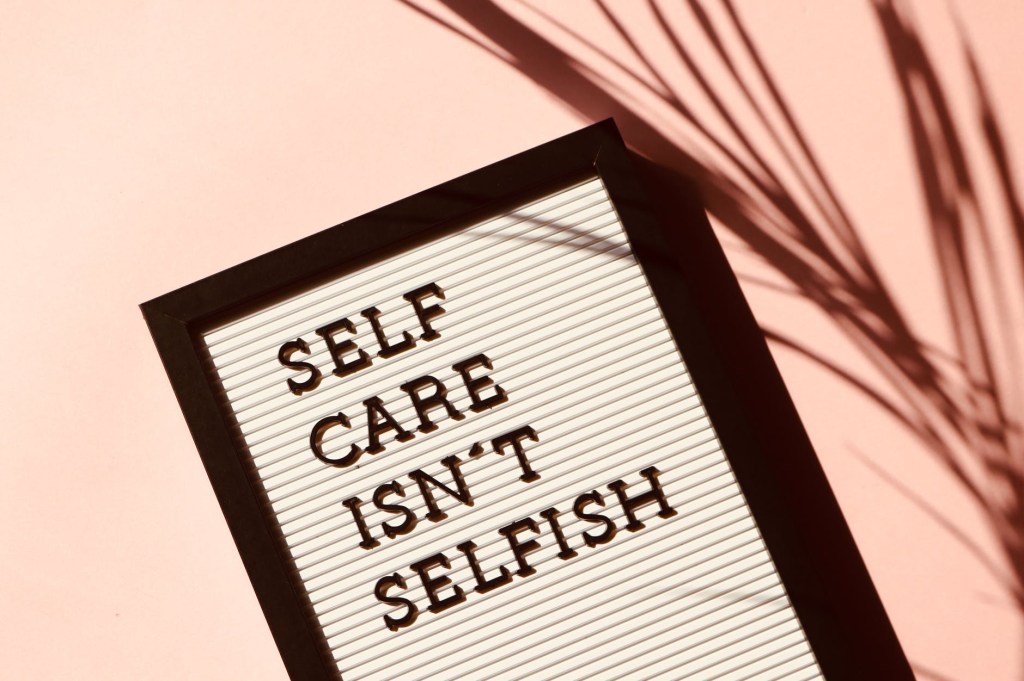
To avoid burnout, we need to learn how and when to take care of ourselves first. We won’t have what it takes to help others if we don’t look after our own needs first! It may seem counterintuitive at first because caring for others is usually what gives us purpose—that’s part of why burnout can sneak up on us so easily. But keep in mind that when we’re busy taking care of everyone else around us without giving ourselves any attention at all (or worse yet…neglecting our own needs), it eventually catches up with us.
What happens if you don’t deal with burnout
So, what happens if you don’t deal with burnout? If you are experiencing burnout, it is important to take action as soon as possible before it gets worse. If you don’t deal with the symptoms of burnout, the following may happen: You will become more irritable and less pleasant to work with You may start taking out your frustrations on others at work or home You could become depressed or anxious You could suffer from insomnia or poor concentration. The longer you leave it, the harder it can be to recover. Remember to first take care of yourself and your own needs. Later you can address other things. Burnout, if left untreated, can lead to catastrophe. Press Tab to write more…
Burnout doesn’t need to be permanent.
Burnout is a normal response to an abnormal situation. It’s important to understand that you are not alone in feeling this way, nor are you at fault for experiencing it. If you’re reading this article, chances are you already know there is no shame in reaching out for help; your colleagues will be glad they don’t have to shoulder the burden alone!
If you can identify any patterns in your work life that may be contributing to or exacerbating the burnout, take action immediately by making adjustments where possible. For example: if working long hours has led you back here again and again, fine-tune your schedule so that it includes more time away from the office (and maybe even some time off).
While it may seem daunting at first glance, there are many things we can do ourselves—both big and small—to manage burnout before it gets out of hand. Take these steps into consideration: find friends who understand what’s going on; don’t hesitate to ask for help when needed; set aside time each day/weekend just for yourself (even if only 10 minutes); exercise regularly (even if only walking around outside during lunch); eat well!

 Lifereference