
Would you agree brothers that society needs to learn that it is perfectly natural for men to have emotions and that it is OK for them to express them. With the recent rise in discussions about mental health, there has been a shift in how we talk about emotions, but there is still a long way to go.
Change doesn’t happen overnight, but we can start by gradually breaking down the barriers that prevent us from being our true selves. We can start by acknowledging that men are human too and that it’s OK for them to show their emotions. This article is a step in making changes…

You are allowed to cry and feel pain
- If you are a man who has been taught that crying is weak, please know that this is false. Crying is a natural and normal human response to pain—it’s biologically hardwired into our makeup. Everyone wants to be seen, heard, and understood. Tears help us achieve this in moments when words simply cannot convey the intensity of our feelings.
- There are many ways we can feel pain: physical pain (such as an injury), emotional pain (like losing someone we love), or psychological pain (when we experience trauma). When confronted with these painful experiences, it’s common for people to feel overwhelmed by intense emotions, even if they’re not sure why they feel the way they do.
- Crying and being open about your feelings doesn’t mean you aren’t man enough—it means you’re big enough to accept yourself as you are.
Men, you are allowed to have emotions, it’s ok!
What if I told you that it’s OK to feel pain, and that it’s OK to cry?
Society has this idea of what men should be. We expect men to be strong, independent, powerful, fierce and able to take on whatever is thrown at them with confidence and determination. When we see a man cry or express his feelings in front of other people, we may think:
- What are you doing? Men don’t cry!
- You need to get over that already!
- Don’t be such a wimp!
As a result, many men are taught from a young age that they aren’t allowed show their emotions for fear of being called names like “soft” or “weak.”And so as adults (or even younger), when something bad happens — like losing someone close or failing an exam — we may turn off our emotions in order not feel the pain.

You don’t have to be perfect.
Do you know what else is important? It’s OK if you cry and feel pain. You’re allowed to be imperfect, to make mistakes, to be wrong and fail. You’re allowed to not know things and say “I don’t know.” You’re allowed to ask questions.
It’s OK if you don’t conform perfectly to the stereotype of what it means to be a man(though I’d encourage you not to). Love yourself the way you are; there is no standard that needs conforming too or achieving.
Your body is not an object
Your body is the temple of your experiences. It is your sense of touch and smell; it is your skin and bones, muscles and lifeblood. Your body is not an object for other people to use for their own pleasure, it is not a tool to be used in exchange for being attractive to them.
Being healthy is more important than being attractive.
Your body should never be a source of shame or anxiety. It’s OK if you cry and feel pain—you are human! Don’t make fun of other people’s bodies—they are temples too!
You aren’t responsible for everything
You don’t have to be the family or business leader, or the person in charge of everything. You’re not responsible for other people’s happiness and you’re not responsible for other people’s problems.
You’re doing your best, and that’s enough. If you feel like you want to do more, then go ahead. Otherwise it’s OK if you take a break and it’s OK if you take a breath. It’s OK if you say no sometimes. It’s OK if you aren’t available all day every day to help everyone with everything that they need. You’re not responsible for the universe—just for what happens in your life and relationships with others, which is already quite a challenge!
It’s OK to be vulnerable
It’s important to be vulnerable.
Everyone experiences pain, but it’s often difficult to sit with that pain or reach out for help when we need it. We tend to bury those feelings and refuse to address them, which causes them to fester inside of us. When that happens, we may numb the pain with substances such as drugs or alcohol.
The problem is that being vulnerable doesn’t always come naturally. It requires courage — showing your sensitive side can make you feel weak and exposed — but it’s important to remember that everyone experiences hurt, embarrassment and shame at some point in their life. So how do you embrace vulnerability?
One way to become more open is through practicing mindfulness meditation, which can allow you to “sit with discomfort by observing thoughts without judgment without needing the thoughts themselves to go away.” The idea is that we are all born with a natural ability to be present in the moment; however, over time we lose sight of that ability because our minds get caught up in things like stress and worry about the past or future. Our brains also have a tendency to have negative thoughts because they are hardwired for survival, so practicing mindfulness can help us develop inner strength and compassion for ourselves by rewiring those neural pathways.
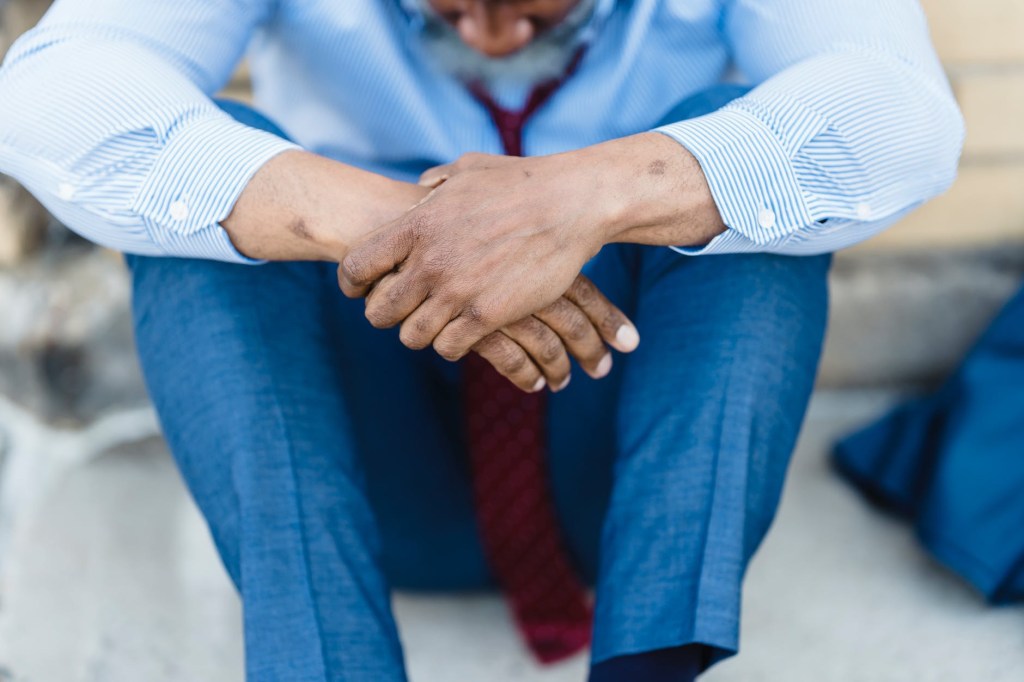
It’s OK to have feelings
This is a principle that we learn from a very early age: boys don’t cry. Boys are strong and tough; they stand up for themselves and don’t let anything get to them. We grow up believing that we must always be in control of our emotions, which can manifest itself in different ways:
- Feeling like you can never break down or let others see your tears.
- Having to suppress your anger because you were taught that it’s not manly to express it.
- Hiding sadness, loneliness and pain with humor, or overcompensating by yelling at others when you feel helpless.
I understand the impulse behind this way of thinking: It feels safer to avoid feeling pain or fear at all costs because both often come with shame attached. But these feelings aren’t something that we should be ashamed of having—they’re simply part of being human, and men are human too (in case you weren’t sure). It takes strength to show vulnerability and share what we feel with the world around us. In fact, hiding our true feelings is the sign of weakness; having the courage to face our emotions head on is what makes us strong people who can connect on a deeper level with those around us.
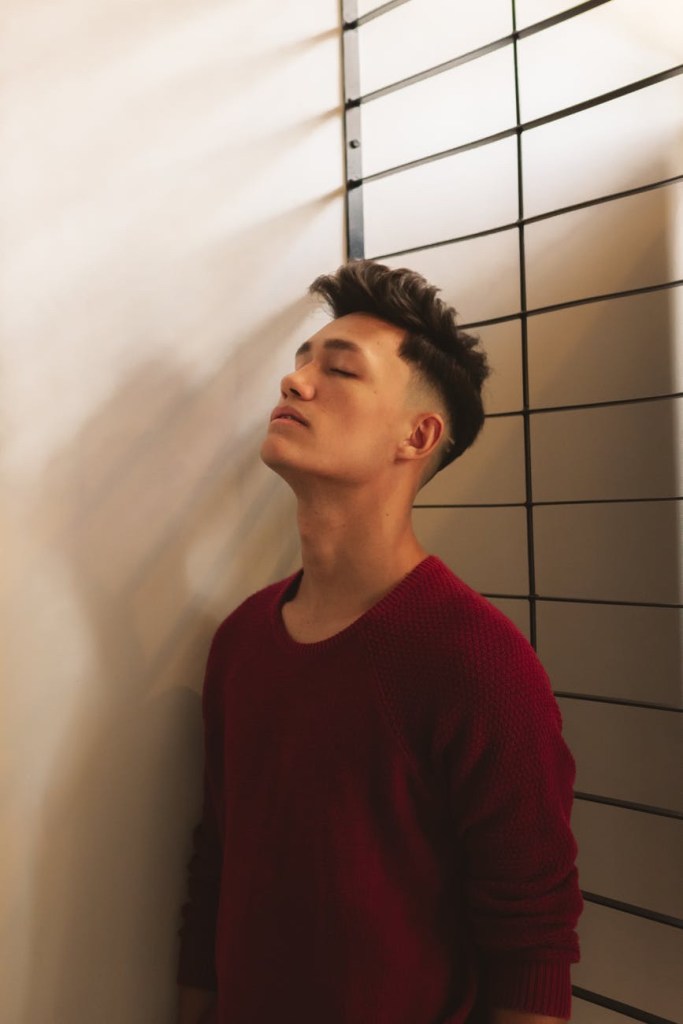
It’s OK to change your mind about something
We change our minds. We make mistakes. Sometimes we just don’t know what to think anymore and need a second opinion.
There’s nothing wrong with that, but it can be disheartening when you’re in the middle of something important or you’ve been working towards something for some time and then are told you were wrong.
We are all quick to hold a grudge or judge others based on our own opinion, but we should remember how quickly things change. We should let go of the past, learn from mistakes and make new discoveries with an open mind, because things are always changing in this world around us.
It’s OK to ask for help
Asking for help is not a sign of weakness. Being vulnerable is different from being weak. Weakness implies you’re incapable. Vulnerability, on the other hand, means you’re brave and strong enough to acknowledge that you need support.
You ask for help when you need it. You don’t always have to be the one to help others, it’s OK to get help from others as well.
It’s OK to grieve
You can grieve for any reason. You don’t have to have lost someone you love. You can grieve a job loss, or the loss of your health, or losing something that was important to you.
What is grief like? For many people, it comes in waves. One moment, you may feel like yourself again…and then something will happen—maybe a song will come on the radio—and suddenly you find yourself sobbing uncontrollably and feeling sadder than you ever thought possible.
Your grief doesn’t have to follow any timetable but your own, either. It’s OK if everyone else around you seems to be moving forward with their lives while yours feels frozen in time following a loss of some kind. Don’t be afraid to let people know what you need from them during this time: whether it’s space, or support, or help with daily tasks while you focus on grieving and healing emotionally (or all of the above).
Growing up doesn’t mean losing your vulnerability and sensitivity; it means acknowledging them and being comfortable with them.
If you usually try to bury your feelings, know that by doing so you are not acting with strength or courage. You are acting with fear. Fear of being hurt. Fear of being rejected (rejected by whom? yourself?).
We live in a society where it is not considered “manly” to show emotions other than anger and joy (even though in the past those were seen as feminine emotions). It is time that we change this. While men can have the same feelings as women, they often express them differently, for example through verbal expression or acts of service instead of tears.
In our culture numerous conditioning factors contribute to how we perceive masculinity and femininity: family dynamics, schooling, media and advertising messages, peer pressure from friends and colleagues, religious beliefs… In some cultures men are expected to be less emotional than women. They are taught since childhood that it is wrong for them to cry. So what happens when things get tough? Most likely they will shut down emotionally and suppress their feelings rather than express them appropriately which can lead to serious health issues like depression and anxiety disorders.
So brothers remember:
It’s okay for men to feel pain and cry. It’s okay for men to be imperfect. Men are allowed to have emotions and it’s okay if they don’t conform perfectly to the stereotype of what it means to be a man. Men’s bodies are not objects and being healthy is more important than being attractive. Men are not responsible for everything and it’s okay to be vulnerable. It’s okay for men to change their mind about something and it’s okay for men to ask for help. Men can grieve for any reason. Growing up doesn’t mean losing your vulnerability and sensitivity; it means acknowledging them and being comfortable with them.

 Lifereference