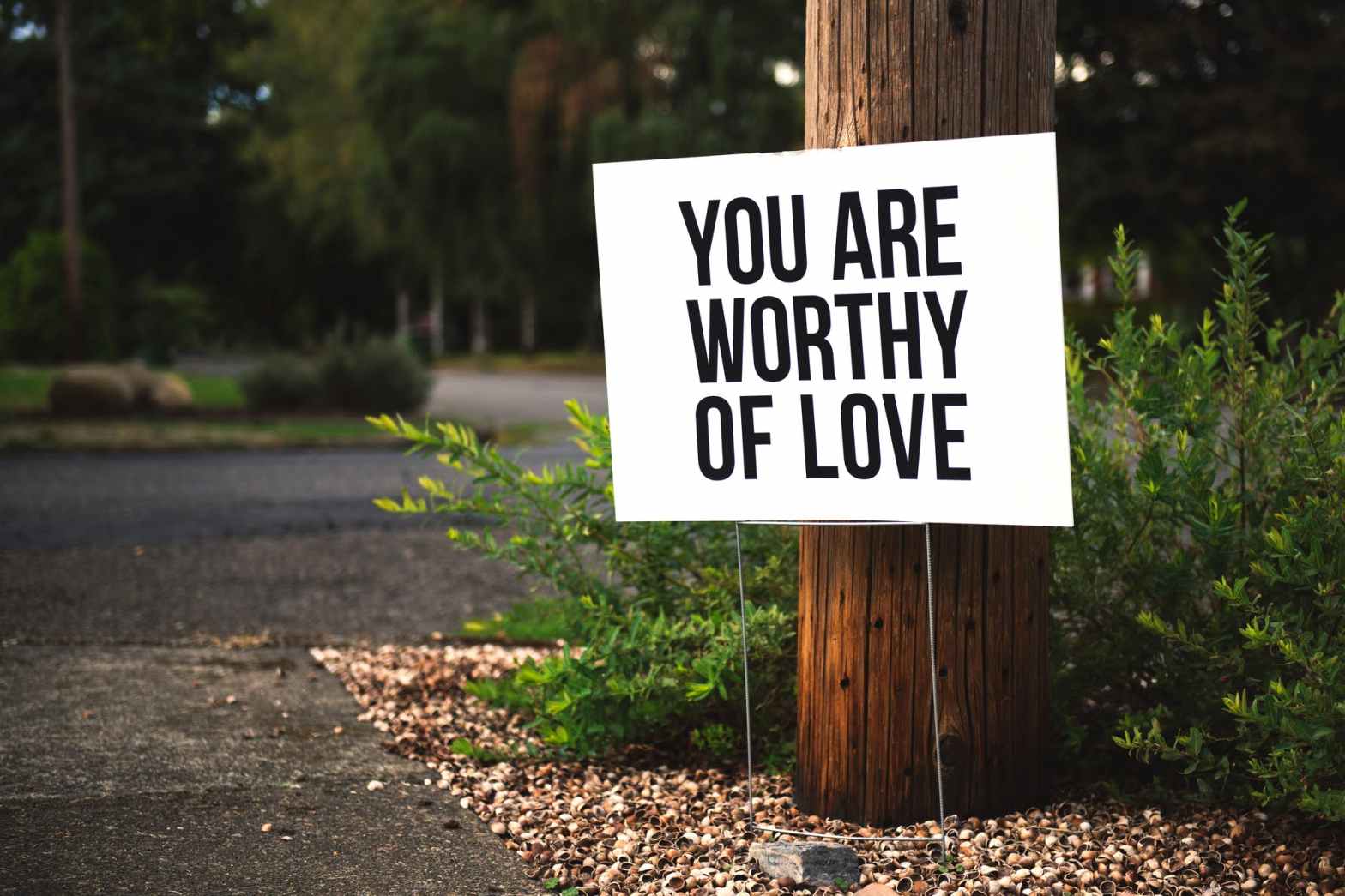
Your value is not determined by how others view you or what they think of you.
Your self-worth is not determined by how others view you or what they think of you. There are many ways to be valued and validated in this world. You can value yourself and validate yourself, and sometimes that kind of validation is even more important than what other people think of you, because their opinions may change but your value doesn’t. And while you may not have much control over what other people think, you do have a choice in how you respond to them.
You do not have to be perfect to be worthy of love and respect.
You do not have to be perfect to be worthy of love and respect. You don’t have to strive for perfection, nor should you expect it from others. Perfection is not achievable in any human being; no one can meet all your expectations or fulfill all your needs. Not even you!
Your self-worth is not connected to how others view you or what they think of you. Your self-worth comes from inside yourself—you are worthy of love and respect because you exist, because you have value as a human being independent of your achievements, appearance, and behavior, because this is the essence of who you are.

You are worthy of love and respect, mistakes and all.
Thinking you are unworthy because you made a mistake is akin to thinking you are not smart because you got one question wrong on a test. And remember, even if you did get one question wrong, it doesn’t mean your intelligence level as a whole has suddenly changed. You can still be just as smart as before. Just like with self-worth, your intelligence could also change over time—for better or worse—depending on whether or not you learn from the experience and decide to do something about it next time.
The same principle applies for love and respect. Many people think that to be worthy of love and respect, they need someone else to view them or think of them in a certain way—for example, seeing them as perfect or infallible. But this is simply not true. Love and respect do not depend on perfection; they depend on honesty and forgiveness—of yourself as well as others
You are worthy of having your needs met.
As you become more aware of your worth, you’ll also begin to better understand what your needs are, which will help you communicate them. Start by making a list of the things that make life good for you. They can be as simple as needing to sleep in on the weekends or not having people interrupt your train of thought when you’re concentrating. Then, consider how well those needs are being met in your current relationships and how often they’ve been met over the course of your life.
Finally, ask yourself if meeting these needs means having to do something differently than what feels natural or comfortable for you. For example, maybe sitting at home alone binging TV shows feels relaxing and safe but going out with friends and attending parties feels risky and hard because there’s always a chance someone might say something hurtful about you. Or perhaps chasing after love interests is natural for you because it seems like it will help fill an inner void but doing so inevitably costs more time and energy than it’s worth.
Once you have identified some unmet needs that are highly important to fulfilling your sense of self-worth, think about whether or not they’re feasible to meet now—how willing are others around you to meet these needs? And if they’re not willing (or don’t know how), how open would they be to learning more about why those things matter so much? When I was able to have empathy for myself during my struggles with self-worth issues I was then able to share my needs with others in a way that helped them better understand me while also showing respect for their boundaries. You can do this too!

You may be changed, but you will survive.
You may be changed by what happens to you, but that doesn’t mean you will be lost. You will go through phases where you might feel like the world has been turned upside down—and it’s very likely that it has. But the things you have experienced are an unavoidable part of your journey. They are a necessary part of being a well-rounded person who is able to experience and empathize with others’ pain, as well as their joys.
You will learn from what’s happened to you, and grow from your experiences. The bad stuff won’t define you; rather, it will make you stronger, more resilient, and more curious about how other people navigate their own lives. After all this, any hardship that comes your way in the future isn’t going to feel as insurmountable as what’s just happened—and if someone else is going through something similar, having lived through a similar experience will give them hope and make them feel less alone.
Your worth does not depend on outside events or other people’s opinions.
Your self-worth is not connected to how others view you or what they think of you. If someone judges you, that is their problem, and in fact their issue has nothing to do with you at all. You do not have to carry people’s thoughts or opinions about you unless you choose to. You are the only one who determines your value and worth. You are not defined by other people or by the circumstances of your life; rather, other people and circumstances reflect what’s deep within you.
Regardless of what may be happening in your life, it is essential that you take responsibility for yourself and your happiness as opposed to expecting someone else (or several someones) to provide for it for you.

 Lifereference